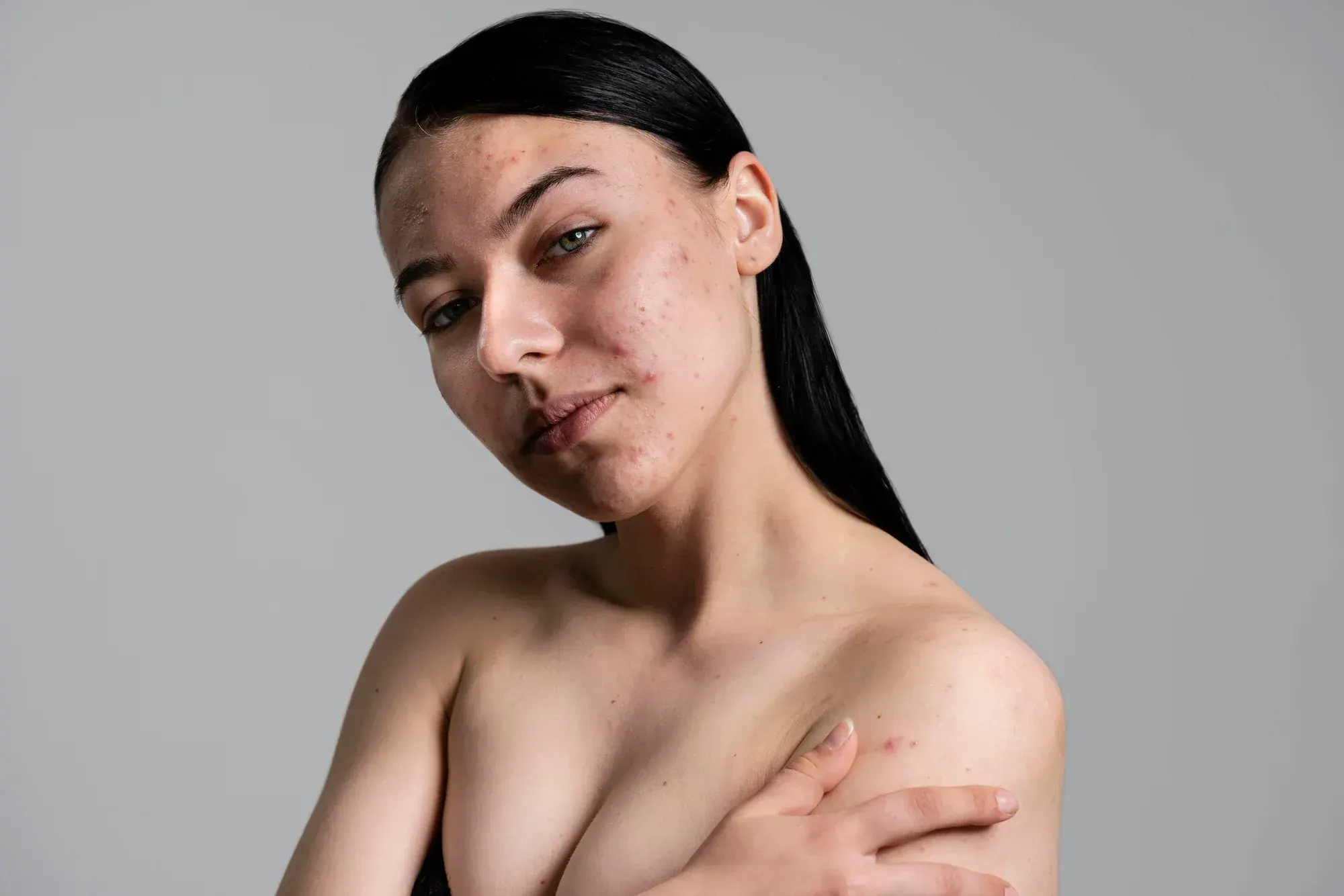


Person with breakout-prone skin examining complexion at Radiant Laser MD Cambridge

Acne-Prone Skin Treatment in Cambridge, MA

Common AreasT-zone, jawline, chest, back
Best TreatmentsHydraFacial, microneedling
Important NoteSupports but does not replace dermatologist care
Avoid DuringActive severe breakouts (consult derm first)
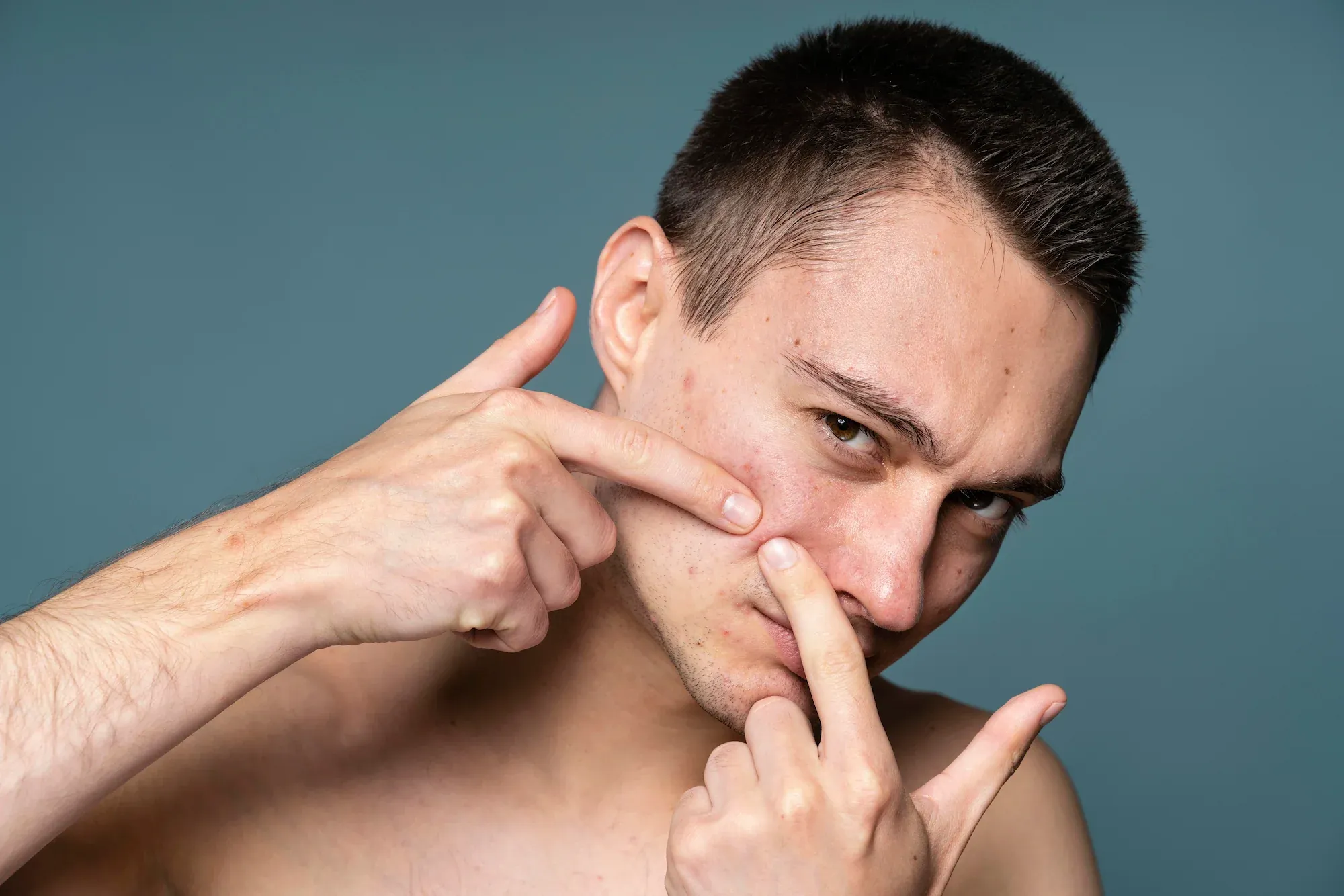
Close-up view of acne-prone facial skin at Radiant Laser MD Cambridge

What Is Acne-Prone Skin?

Recognizing the Signs

Acne-prone skin is a chronic tendency toward clogged follicles, inflammation, and recurrent breakouts. It is not the same as occasional pimples: the follicular and sebaceous environment is consistently primed to produce comedones, papules, and pustules even when overall skin looks calm.

When you notice a familiar cycle of clogged pores along the T-zone or jawline, blackheads that refuse to clear, or hormonal flares that arrive on a predictable schedule, you are experiencing acne-prone skin rather than a one-time breakout.

Many patients describe the frustration of investing in skincare routines that work for a few weeks, then watching congestion or cystic spots return. The condition is common, manageable, and well-studied, and the right care plan combines medical guidance with supportive in-office treatments.

Illustration of clogged follicle and sebaceous gland at Radiant Laser MD Cambridge

Why Acne-Prone Skin Happens

Understanding the Root Causes

Acne begins inside the pilosebaceous unit, the structure that contains a hair follicle and its sebaceous gland. Androgen activity drives sebum production, and when sebum mixes with dead keratinocytes inside the follicle, a microcomedone forms. This early plug is the seed of nearly every visible lesion. The National Institute of Arthritis and Musculoskeletal and Skin Diseases notes that acne involves the interaction of hormones, oil, bacteria, and follicular cells across all skin types.

Once the follicle is plugged, Cutibacterium acnes proliferates in the low-oxygen environment, releasing inflammatory mediators that recruit immune cells. The result is the redness, swelling, and tenderness patients recognize as inflamed breakouts.

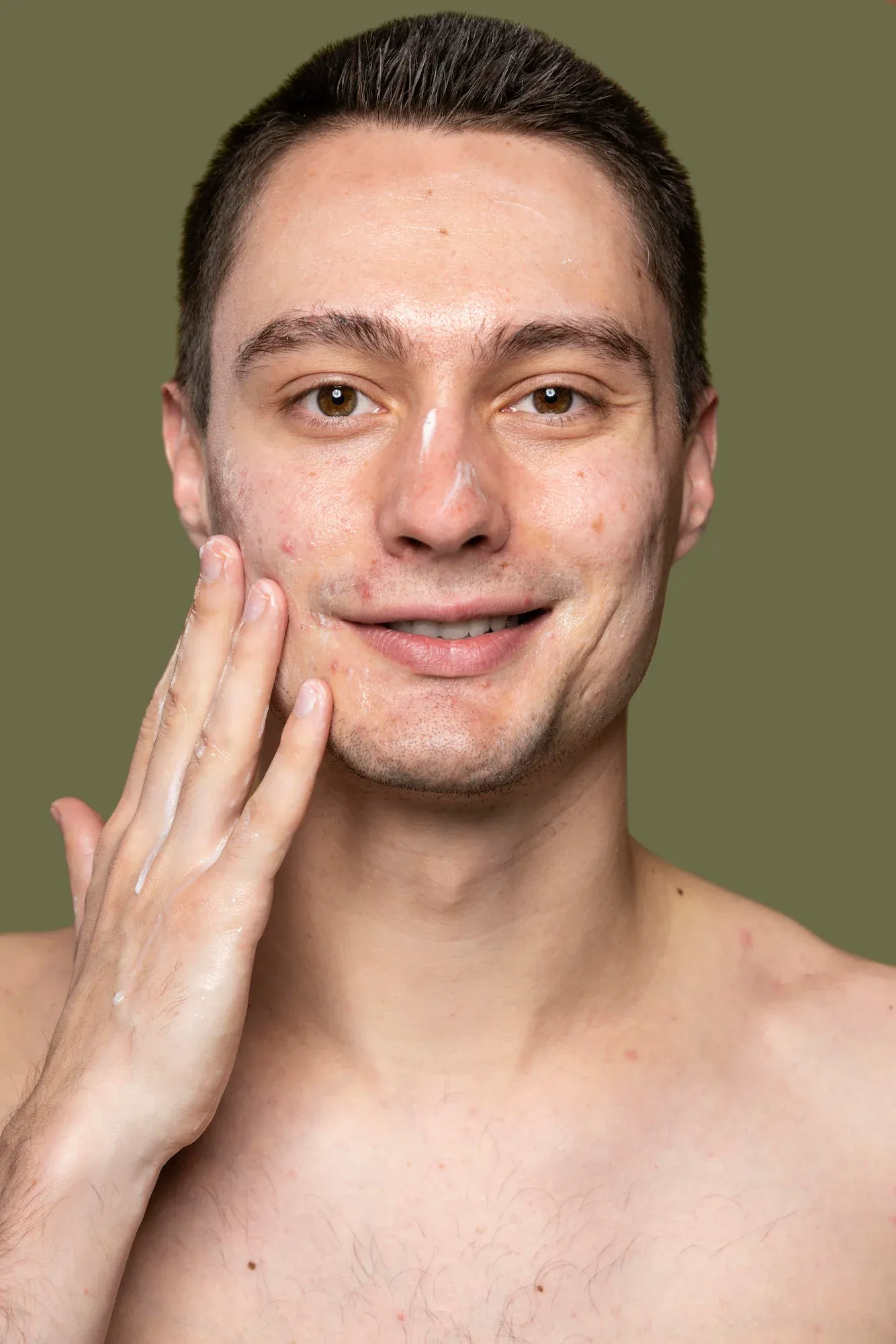
Surface care alone rarely resolves this chain. Supportive in-office care like a HydraFacial for acne-prone skin with a salicylic clarifying booster can extract congestion and calm the surface, but the underlying biology often requires a dermatologist's prescription plan for moderate to severe cases.
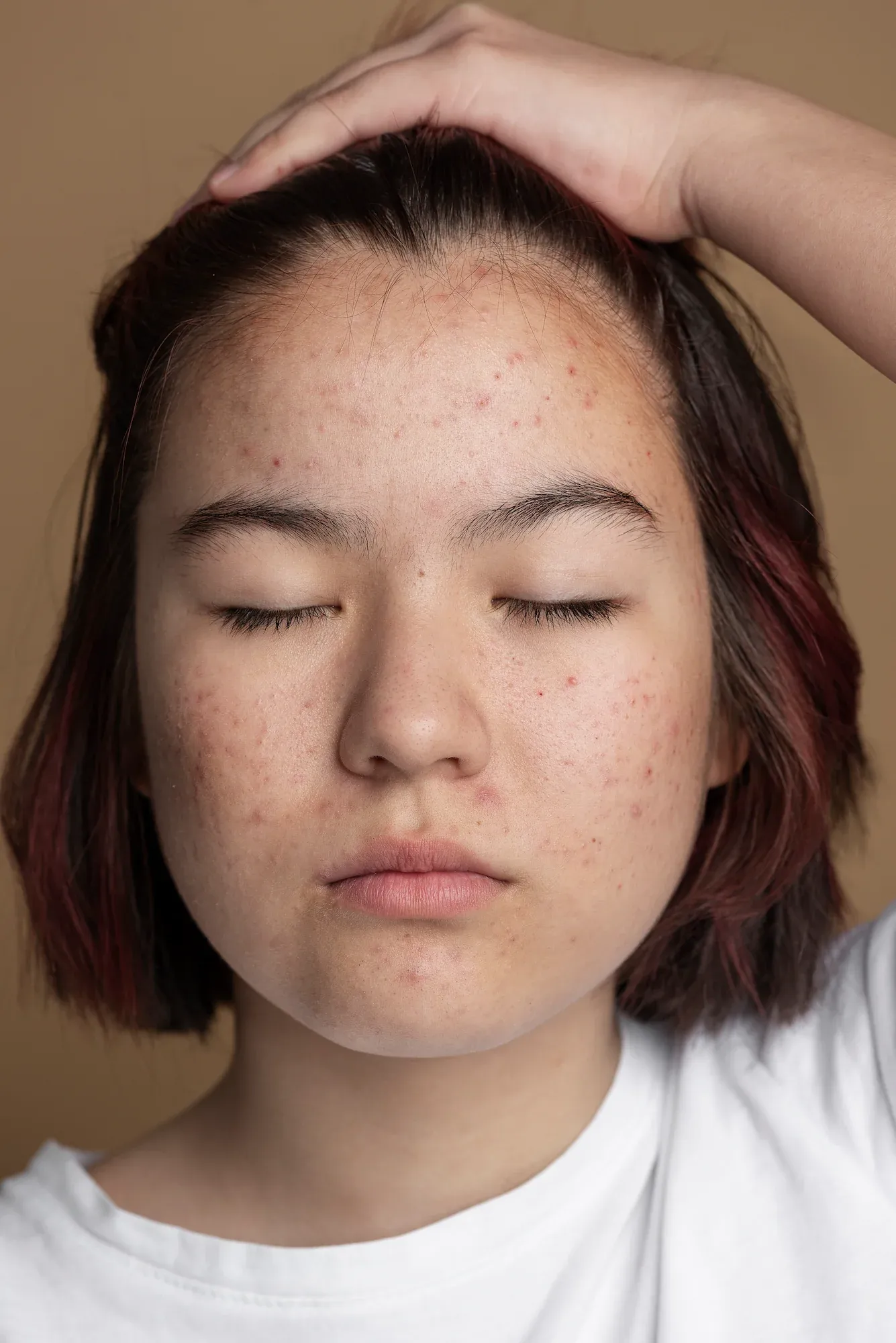
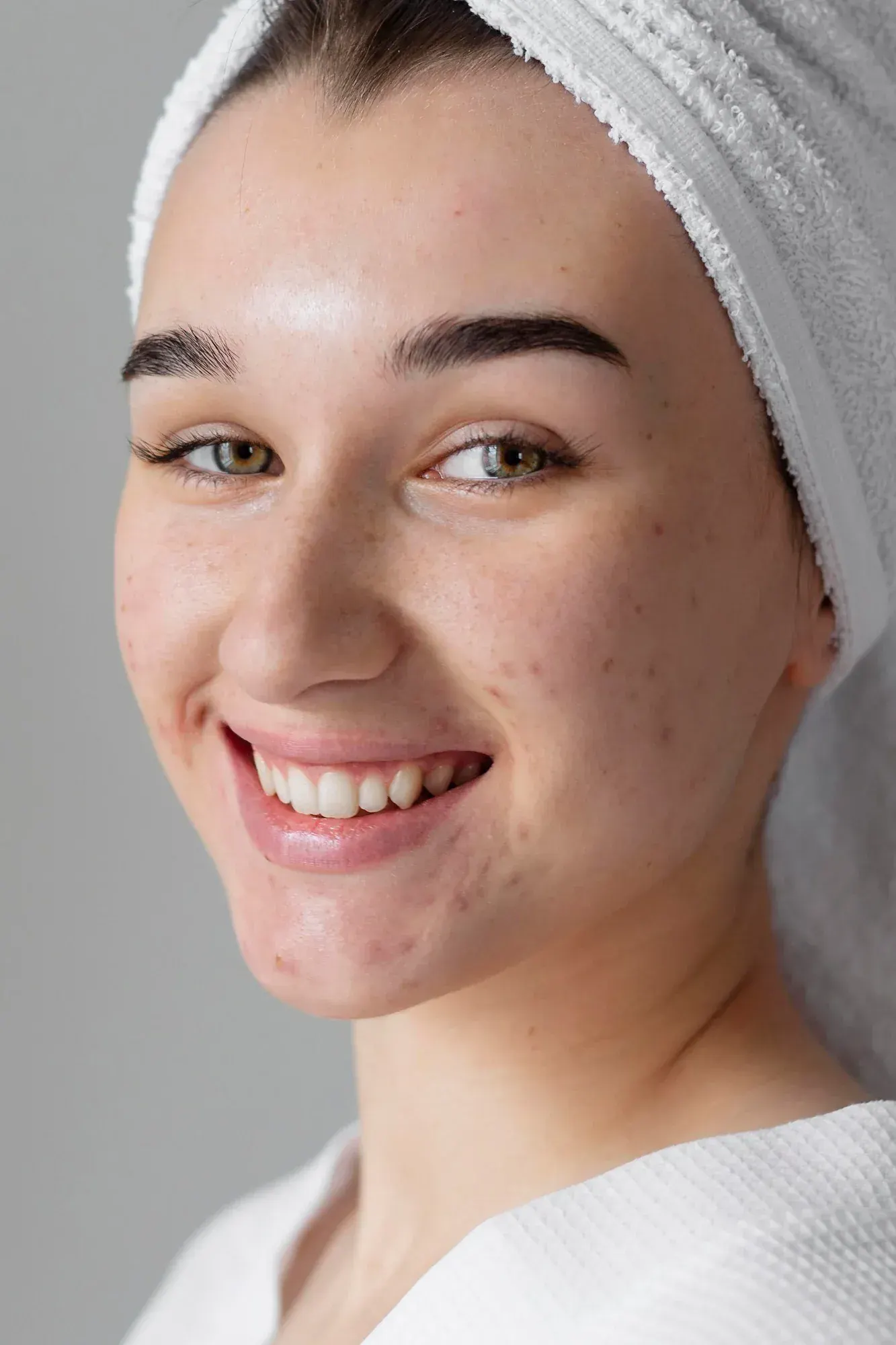
Diagram showing post-inflammatory marks and atrophic scarring at Radiant Laser MD Cambridge

Post-Inflammatory Marks and Texture

How Breakouts Affect Skin Over Time

Even after a breakout resolves, the skin often retains evidence of the inflammation. Post-inflammatory hyperpigmentation appears as flat brown or violet patches where a lesion once sat, and post-inflammatory erythema appears as pink or red marks, especially in lighter skin tones.

Deeper or recurrent inflammation can disrupt collagen at the dermal level, producing atrophic scars (icepick, boxcar, rolling) that linger long after active acne has calmed. Texture and tone become the visible legacy of breakouts that may have already passed.

Supporting collagen remodeling with microneedling for breakout-prone skin during quiet periods between flares can help refine surface irregularities and soften early scarring, while related concerns like enlarged pores and acne scars often respond to the same supportive treatment cadence.

What Accelerates Acne-Prone Skin?

Several biological and lifestyle factors push a follicle from quiet to congested, often working together to drive recurrent breakouts.

Hormonal Activity

Androgen surges around menstrual cycles, perimenopause, or stress periods amplify sebum output and follicular plugging.

Genetic Tendency

Family history strongly influences sebaceous gland reactivity, follicular shedding patterns, and inflammatory response.

Pore-Clogging Ingredients

Heavy occlusive moisturizers, certain hair products, and comedogenic sunscreens can seed congestion along the hairline and jawline.

Friction and Sweat

Helmets, masks, phone screens, and prolonged sweat exposure trap heat and bacteria against the skin, triggering mechanical flares.

Skin Barrier Disruption

Over-exfoliation, harsh cleansers, or aggressive routines weaken the barrier, paradoxically increasing oil rebound and inflammation.

Diet and Stress Patterns

High-glycemic foods, dairy in some individuals, and chronic stress can amplify inflammatory signaling in clinically significant ways.

Radiant Laser MD clinic interior in Cambridge Massachusetts

Why Choose Radiant Laser MD for Acne-Prone Skin Care in Cambridge, MA

Expert Care in Cambridge

  • HydraFacial Clarifying Booster
  • Microneedling for Texture
  • Honest Boundaries
  • Senior Aesthetician Alba Cestari

Treatment Options Comparison

Finding Your Best Approach

Treatment Best For Session Time Results Timeline Maintenance
HydraFacial Active breakouts, congestion, oil control (Clarifying booster) 30-45 min Immediate calm Monthly
Microneedling Texture, prevent scarring, post-inflammatory pigment 45-60 min 3-6 sessions Yearly
Dermaplaning When skin is clear; AVOID during active breakouts 30-45 min Immediate smoothness Every 3-4 weeks
Person concerned about acne-prone skin at Radiant Laser MD Cambridge

You May Be Experiencing Acne-Prone Skin If...

Recognizing When to Seek Help

  • Frequent T-Zone Breakouts
  • Clogged Pores and Blackheads
  • Hormonal Monthly Pattern
  • Oily or Combination Skin
  • On a Derm's Plan and Want Support

Frequently Asked Questions

About Acne-Prone Skin

Can Radiant Laser MD replace my dermatologist for acne care?

No, and we are direct about that. For moderate to severe or cystic acne, we strongly recommend a board-certified dermatologist for a prescription regimen. Our in-office treatments support that plan, they do not substitute for medical acne care.

Which treatment is the best starting point for acne-prone skin?

Most patients start with a HydraFacial that includes a salicylic acid peel and clarifying booster. It extracts congestion, calms inflammation, and gives Alba a clear read of your skin so she can build a longer-term plan.

Will microneedling help with acne scars?

Yes, microneedling stimulates collagen remodeling and can soften atrophic acne scars and post-inflammatory marks over a series of three to six sessions. We perform it only when active breakouts are controlled.

How soon will I see a difference after a HydraFacial?

Most patients see immediate clarity and reduced congestion after one session, with continued improvement in tone and texture over the following one to two weeks when paired with a consistent routine.

Can dermaplaning be done on acne-prone skin?

Dermaplaning is appropriate when your skin is clear of active breakouts. We avoid it during active flares to prevent spreading bacteria or irritating inflamed lesions, and Alba will tell you honestly whether your skin is ready.

Do you treat back, chest, or body acne too?

We focus on facial acne-prone skin in-office and partner with your dermatologist for body acne. HydraFacial back treatments can be discussed during consultation depending on the area and current breakout status.

Will treatments interfere with my prescription topicals like tretinoin or benzoyl peroxide?

Usually no, but timing matters. Alba reviews your full routine before any treatment and will recommend pausing certain actives for several days around the appointment to protect your barrier.

When should I absolutely see a dermatologist before booking here?

If you have deep cystic nodules, painful or scarring lesions, sudden severe flares, or acne that has not responded to over-the-counter care, please see a board-certified dermatologist first. We will gladly support that plan once it is in place.

Location896 Beacon Street, Unit 308
Boston, MA, 02215
(617) 352-4230
Location12 Eliot Street, Suite #201
Cambridge, MA, 02138
(617) 352-4230

Schedule Today Your Free Consultation

Scientific References