




Woman with refreshed, glowing complexion after dull skin treatment at Radiant Laser MD Cambridge

Dull Skin Treatment in Cambridge, MA

Common CauseDead skin buildup and dehydration
Best TreatmentHydraFacial
FrequencyMonthly maintenance
DowntimeNone
Close-up of dull, lackluster complexion before HydraFacial at Radiant Laser MD Cambridge

What Is Dull Skin?

Recognizing the Signs

Dull skin is a surface-level condition in which the complexion loses its reflective quality, appearing tired, flat, or lackluster even when you feel rested. Clinically, this reflects a slowdown in epidermal cell turnover combined with reduced hydration and a compromised lipid barrier.

When you look in the mirror and your skin no longer catches light the way it used to, you are observing the visible signs of dull skin. The surface scatters light unevenly because of dead cell accumulation, fine texture, and dehydration, making your face appear less vibrant in photographs and natural lighting.

Many patients describe their skin as looking flat, tired, or washed out, particularly after late nights, screen-heavy weeks, or seasonal weather shifts. Makeup may sit unevenly or accentuate texture you did not previously notice.

Illustration of slowed cellular turnover and dehydrated skin barrier at Radiant Laser MD Cambridge

Why Dull Skin Happens

Understanding the Root Causes

Healthy, luminous skin depends on efficient cellular renewal. In optimal conditions, keratinocytes travel from the basal layer to the surface in roughly 28 days. With age, sun exposure, and lifestyle stress, that cycle slows to 45 to 60 days, leaving a thicker layer of dead cells that diffuses light instead of reflecting it.

This buildup, combined with dehydration, blunts the smooth optical surface of the stratum corneum. According to the American Academy of Dermatology, gentle exfoliation and consistent hydration are foundational to maintaining a healthy, reflective skin surface. Professional treatments such as our HydraFacial for dull skin address both layers in a single session.

Barrier function also plays a role. Lipids, ceramides, and natural moisturizing factors retain water within the epidermis. When this barrier is compromised by harsh cleansers, low humidity, or sleep deprivation, transepidermal water loss rises and radiance falls with it.
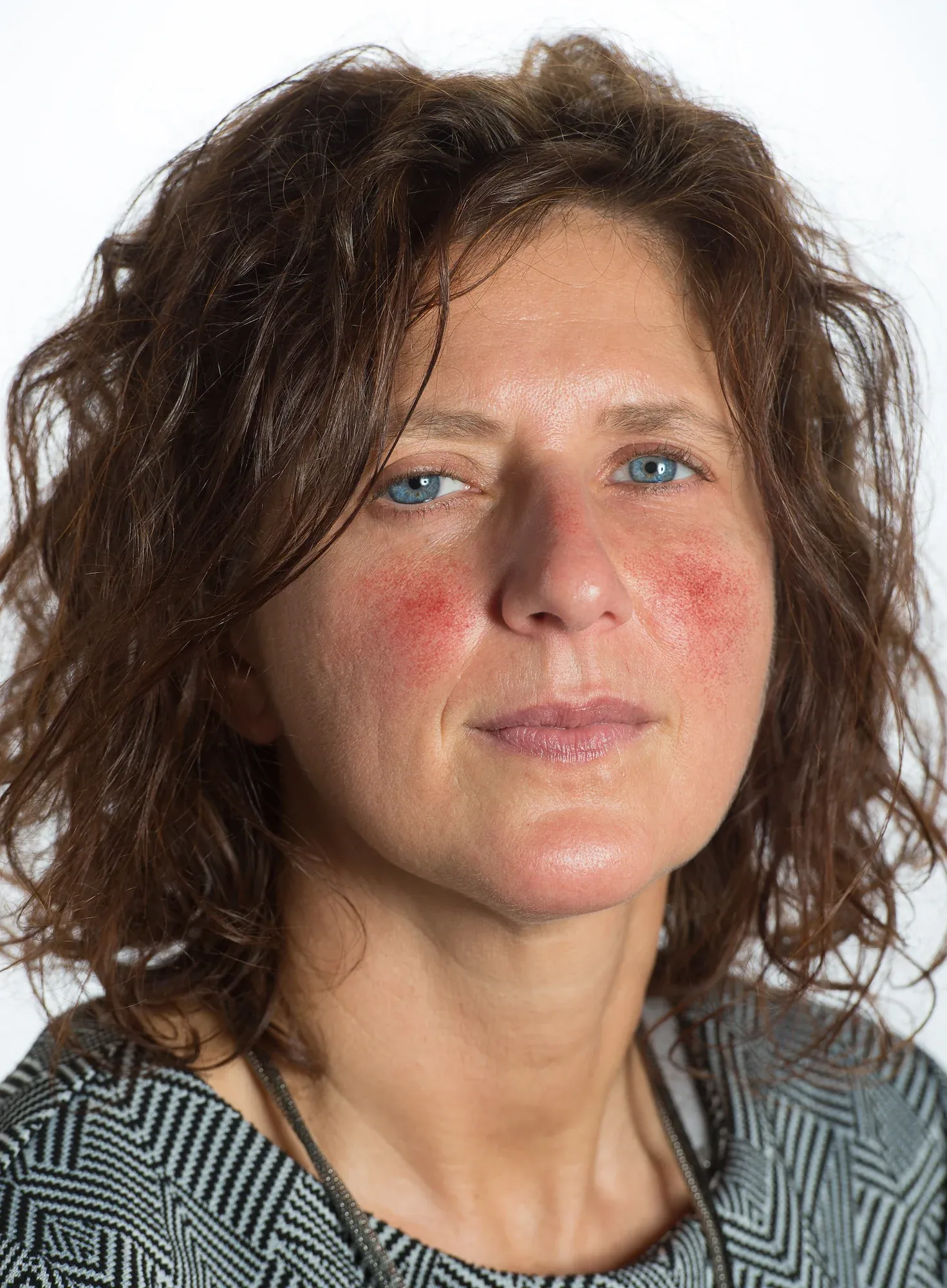

Diagram of stratum corneum and light reflection at Radiant Laser MD Cambridge

Surface Texture and Light Reflection

How Cellular Buildup Steals Your Glow

The outermost layer of skin, the stratum corneum, is a tightly organized lattice of corneocytes embedded in a lipid matrix. When this surface is smooth and well hydrated, it reflects light in a uniform direction, creating the glow patients associate with healthy skin.

As dead cells accumulate, the surface becomes microscopically uneven. Light scatters in random directions, which the eye reads as flatness or lack of luminosity. Add free-radical exposure from sun and pollution, and oxidation further dulls the natural pigment-and-light interaction.

Lifestyle factors compound the problem. Disrupted sleep reduces overnight repair, screen-heavy days increase blue-light exposure, and inconsistent hydration thins the moisture reservoir. Pairing in-clinic exfoliation with dermaplaning can dramatically improve the smoothness and reflectivity of the skin surface.

What Accelerates Dull Skin?

Several interconnected factors accelerate dull skin, often working together to compromise both cellular turnover and the moisture barrier that gives skin its reflective quality.

Dead Skin Buildup

Slower cellular turnover allows dead cells to accumulate on the surface, scattering light and dimming radiance.

Dehydration

Insufficient water intake and a compromised lipid barrier reduce moisture retention, leaving skin flat and tight.

Sun Damage

Cumulative UV exposure breaks down collagen and uneven pigment, creating a tired, weathered appearance.

Stress and Cortisol

Elevated cortisol disrupts overnight repair, slows collagen synthesis, and weakens the skin barrier.

Poor Sleep

Sleep deprivation limits the nightly repair window, reducing both circulation and cellular regeneration.

Age-Related Slowdown

After 30, natural cell turnover slows by roughly 1% per year, making professional exfoliation increasingly valuable.

Radiant Laser MD treatment room interior in Cambridge Massachusetts

Why Choose Radiant Laser MD for Dull Skin Care in Cambridge, MA

Expert Care in Cambridge

  • Instant Results
  • Customized Boosters
  • Pair with Dermaplaning
  • Senior Aesthetician

Treatment Options Comparison

Finding Your Best Approach

Treatment Best For Session Time Results Timeline Maintenance
HydraFacial Dehydration, dull complexion, dead skin buildup 30-45 min Immediate glow Monthly
Dermaplaning Surface exfoliation and peach fuzz removal 30-45 min Immediate brightness Every 3-4 weeks
Microneedling Long-term radiance via collagen renewal 45-60 min Visible over 3-6 sessions Yearly
Patient evaluating tired, dull complexion at Radiant Laser MD Cambridge

You May Be Experiencing Dull Skin If...

Recognizing When to Seek Help

  • Skin Looks Tired Even After Sleep
  • Makeup Looks Flat
  • Complexion Lacks Bounce
  • Foundation Sits Unevenly
  • Cumulative Lifestyle Effects

Frequently Asked Questions

About Dull Skin

How quickly does HydraFacial restore glow to dull skin?

Most patients see an immediate, visible glow right after their first 30 to 45 minute session. Hydration and brightness typically continue to improve for several days as the boosters settle in.

How often should I get a HydraFacial for dull skin?

Monthly maintenance is ideal for keeping cellular turnover on track and the skin barrier well hydrated. Some patients schedule additional sessions before events, photoshoots, or seasonal transitions.

Can I combine HydraFacial with dermaplaning?

Yes. Many patients pair the two for maximum exfoliation and light reflection. Alba typically performs dermaplaning first to remove peach fuzz, then follows with HydraFacial to deep-clean and hydrate.

Is there any downtime after treatment for dull skin?

No. HydraFacial and dermaplaning are both non-invasive, and most patients return to work, errands, or social plans immediately. Skin may look slightly flushed for an hour or two.

What can I do at home to maintain my glow?

We recommend daily SPF, gentle cleansing, a hydrating serum with hyaluronic acid, and consistent sleep. Avoiding harsh scrubs and over-cleansing helps protect the barrier between sessions.

Is dull skin treatment safe for darker skin tones?

Yes. HydraFacial and dermaplaning are safe across all Fitzpatrick skin types, I through VI. Alba customizes booster selection and pressure to suit your individual skin needs.

When should I see a professional about my dull skin?

If a consistent home routine, hydration, and sleep are not restoring your skin's reflective quality, a professional consultation can identify the underlying factors and recommend the right in-clinic approach.

Location896 Beacon Street, Unit 308
Boston, MA, 02215
(617) 352-4230
Location12 Eliot Street, Suite #201
Cambridge, MA, 02138
(617) 352-4230

Schedule Today Your Free Consultation

Scientific References