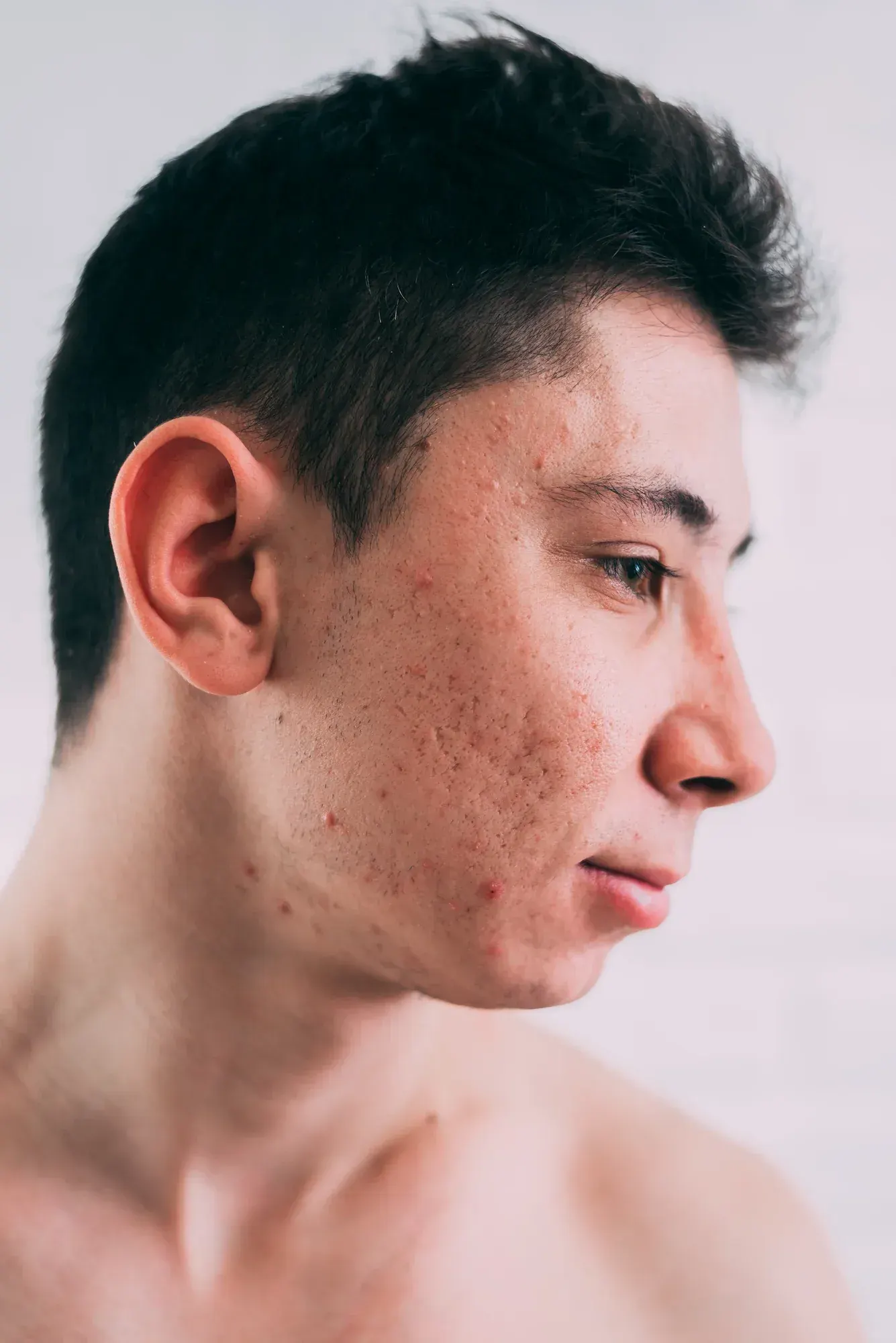

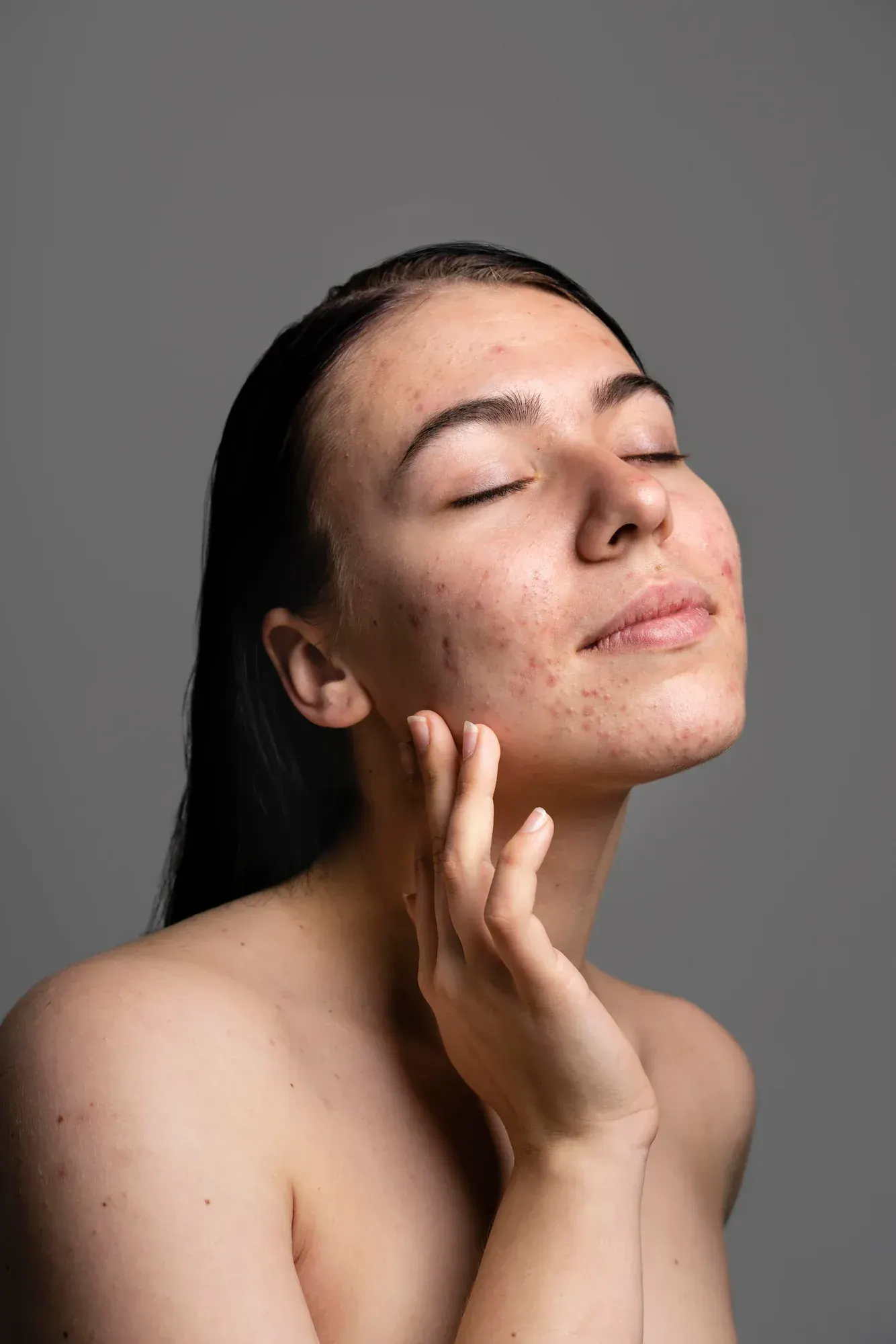
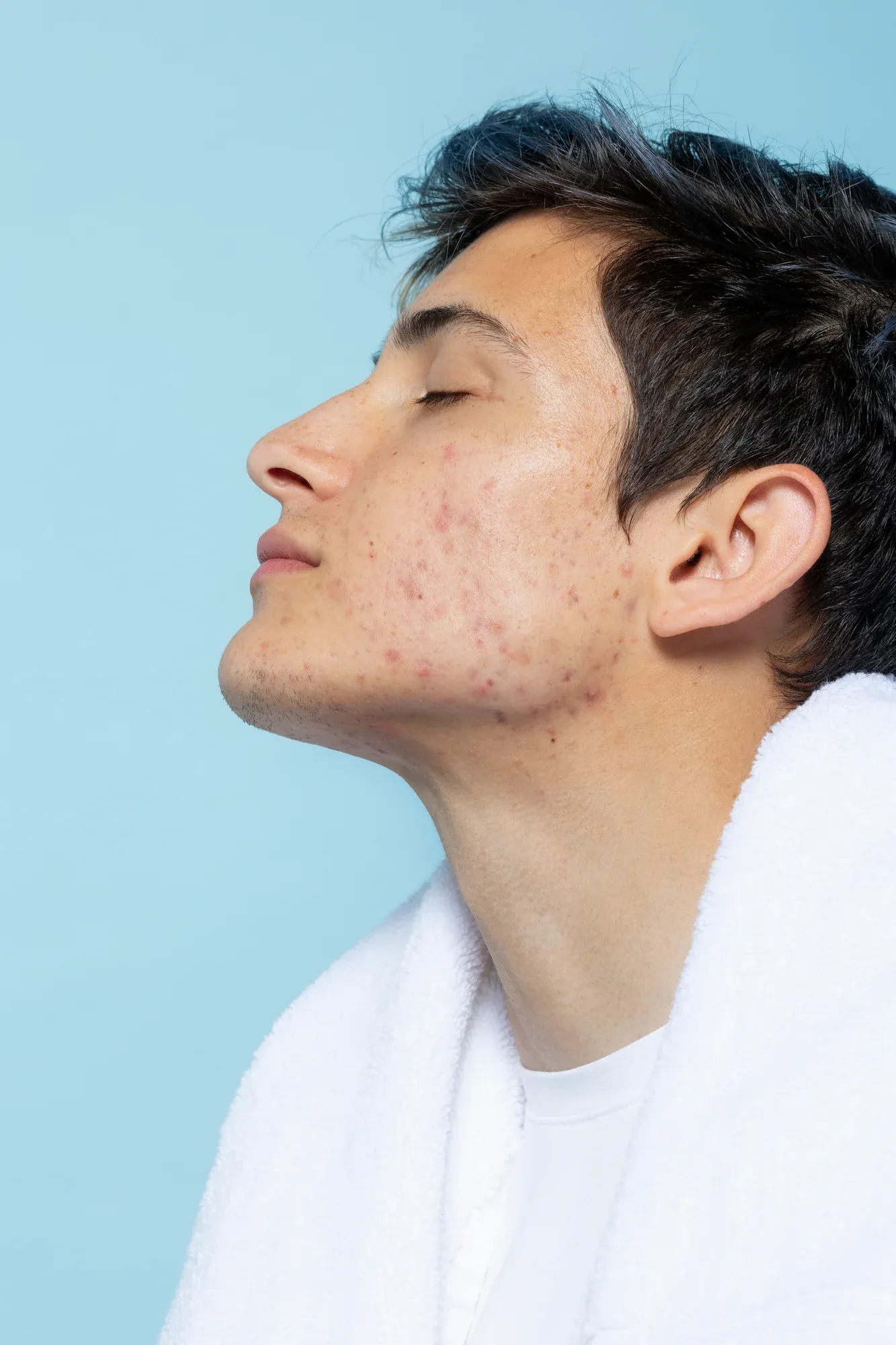
Close-up of patient with acne scarring on cheeks at Radiant Laser MD Cambridge

Acne Scar Treatment in Cambridge, MA

Scar TypesBoxcar, ice pick, rolling, atrophic
Best TreatmentMicroneedling
Sessions3 to 6 spaced 4-6 weeks
ResultsGradual over 3-6 months
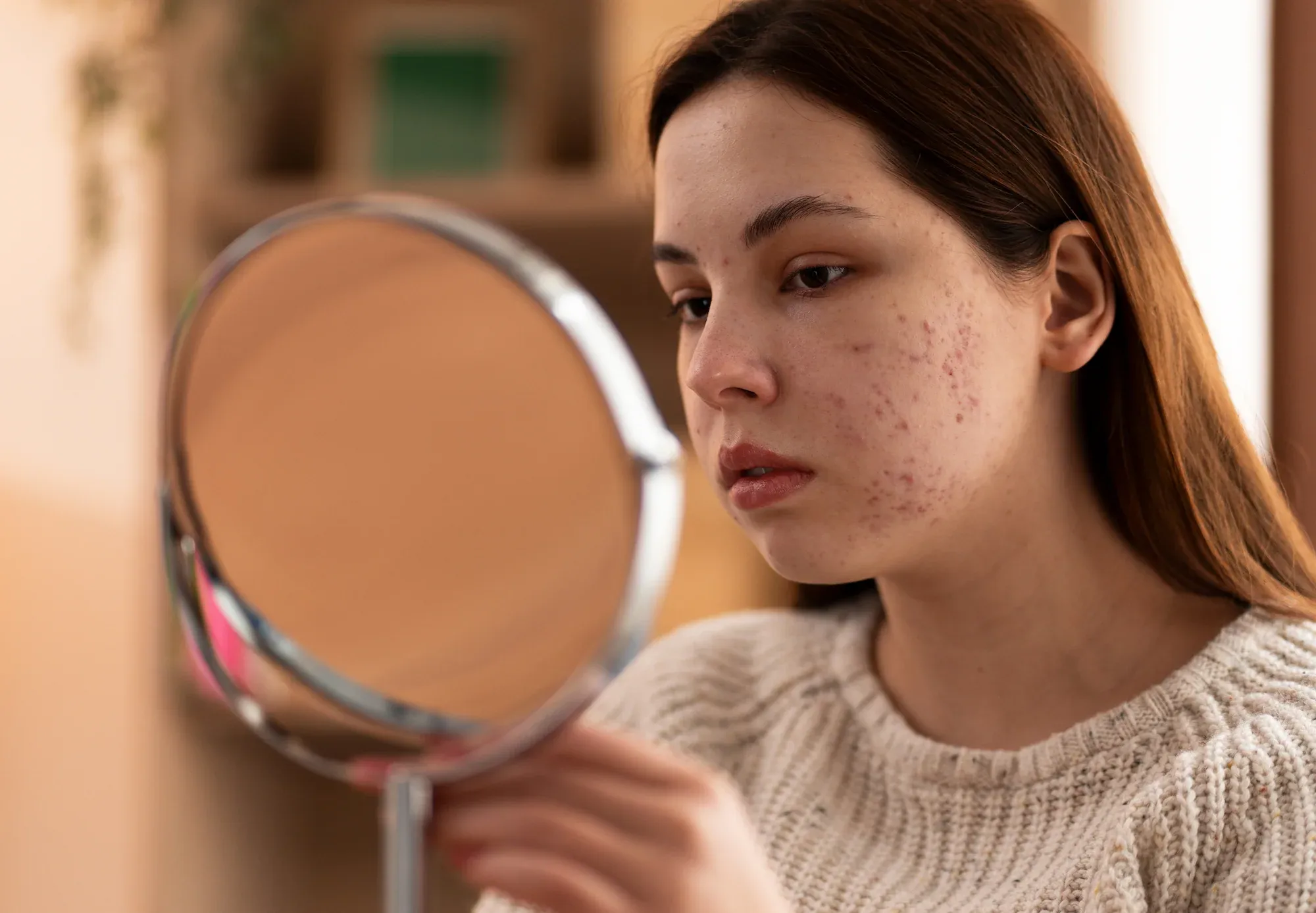
Patient examining acne scarring in mirror at Radiant Laser MD Cambridge

What Is Acne Scar Treatment?

Recognizing the Signs

Acne scars are textural changes in the skin caused by the wound-healing response to past inflammatory breakouts. They fall into two broad categories: atrophic scars (ice pick, boxcar, and rolling) that sit below the surface, and hypertrophic scars that sit raised above it.

When you run your fingers across your cheeks, jawline, or temples and feel pits, valleys, or uneven ridges where old breakouts once flared, you are touching the long-term mark of dermal collagen damage. Many patients tell us their skin looked clear in their twenties but the surface never returned to smooth.

This is different from post-inflammatory hyperpigmentation, which is a color change without a texture change. Acne scars are a structural concern, and the most effective in-office option for atrophic scarring is collagen induction therapy, commonly known as microneedling for acne scars.

Diagram of dermal collagen damage from acne at Radiant Laser MD Cambridge

Why Acne Scars Happen

Understanding the Root Causes

Acne scarring begins when inflammation from a cystic or nodular breakout reaches deep into the dermis and damages the local collagen network. The body responds by remodeling the area, but the replacement collagen is rarely as organized as the original tissue. The result is a depression, a raised bump, or a pitted edge that remains long after the breakout has resolved.

According to the American Academy of Dermatology, atrophic scars form when too little collagen is produced during healing, while hypertrophic scars form when too much is produced. The deeper and more inflamed the original lesion, the higher the likelihood of permanent textural change.

Picking, squeezing, and prolonged untreated cystic acne all increase the depth of injury and the probability of scarring. By the time scars are visible, topical creams cannot reach the dermis where the damage sits, which is why in-office treatments like microneedling are the standard of care for atrophic scarring.
Microneedling device demonstrating collagen induction at Radiant Laser MD Cambridge

Collagen Induction & Scar Remodeling

How Microneedling Rebuilds Texture

Microneedling, also called collagen induction therapy, uses an array of fine, sterile needles to create controlled micro-injuries in the upper dermis. These tiny channels trigger the body's natural wound-healing cascade without damaging the surface layer, which is what makes the treatment safe across all skin tones, including Fitzpatrick IV through VI.

Each pass stimulates the release of growth factors and signals fibroblasts to lay down new collagen and elastin in the months that follow. Over a series of sessions, the dermal scaffolding beneath atrophic scars is gradually rebuilt, lifting the floor of pitted boxcar and rolling scars closer to the surrounding skin level.

Because the response is biological, not mechanical, results unfold over time. Patients typically begin noticing smoother texture 4-6 weeks after the first session, with continued improvement at 3 months. Between sessions, gentle resurfacing services such as HydraFacial as maintenance support cell turnover and barrier health.

What Accelerates Acne Scarring?

Several interconnected factors raise the risk that an active breakout becomes a permanent scar, often working in combination to deepen dermal damage and slow healing.

Cystic & Nodular Acne

Deep inflammatory lesions reach the dermis and damage collagen, which is the most common pathway to permanent scarring.

Picking & Squeezing

Manual trauma during a breakout extends the wound, increasing both pigment changes and textural scars after healing.

Delayed Treatment

Persistent untreated acne keeps the inflammatory cycle active for months, raising the chance that scars become fixed.

Genetics

Some individuals are predisposed to atrophic or hypertrophic scarring based on inherited collagen-remodeling patterns.

Sun Exposure on Healing Skin

UV exposure during the resolution phase can darken and stiffen scar tissue, making texture more obvious.

Smoking & Poor Wound Healing

Tobacco use and certain medical conditions reduce oxygen delivery to skin and slow the collagen-rebuilding phase.

Radiant Laser MD treatment room interior in Cambridge Massachusetts

Why Choose Radiant Laser MD for Acne Scar Treatment Care in Cambridge, MA

Expert Care in Cambridge

  • Microneedling Specialists
  • Realistic Honesty
  • Pair With HydraFacial
  • Physician-Led Protocols

Treatment Options Comparison

Finding Your Best Approach

Treatment Best For Session Time Results Timeline Maintenance
Microneedling Atrophic acne scars (boxcar, rolling) 45-60 min 3-6 sessions, visible over 3-6 months Yearly maintenance
HydraFacial Surface texture and post-treatment maintenance 30-45 min Immediate refresh Monthly
Dermaplaning Surface smoothing between microneedling sessions 30-45 min Immediate Every 3-4 weeks
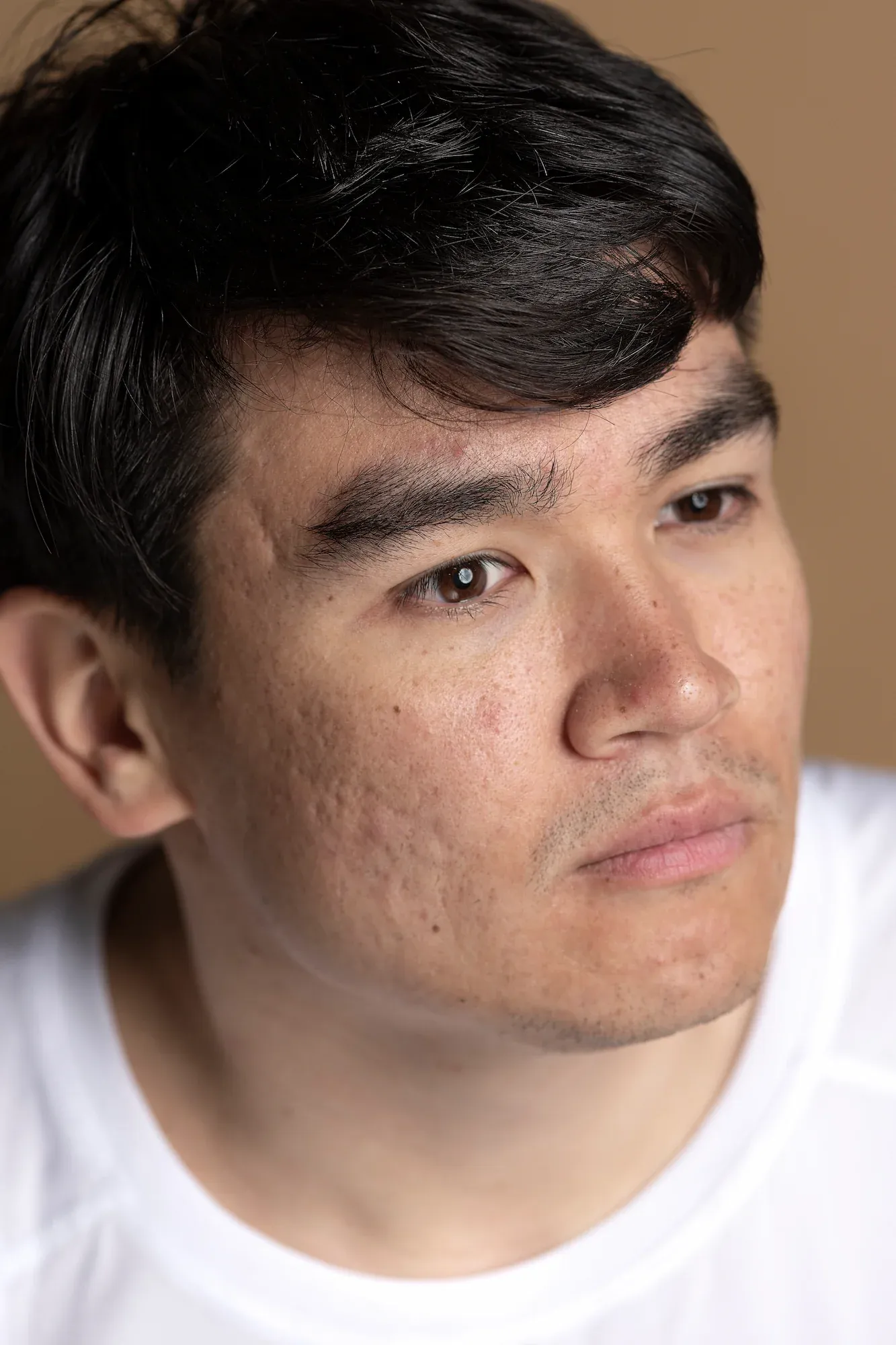
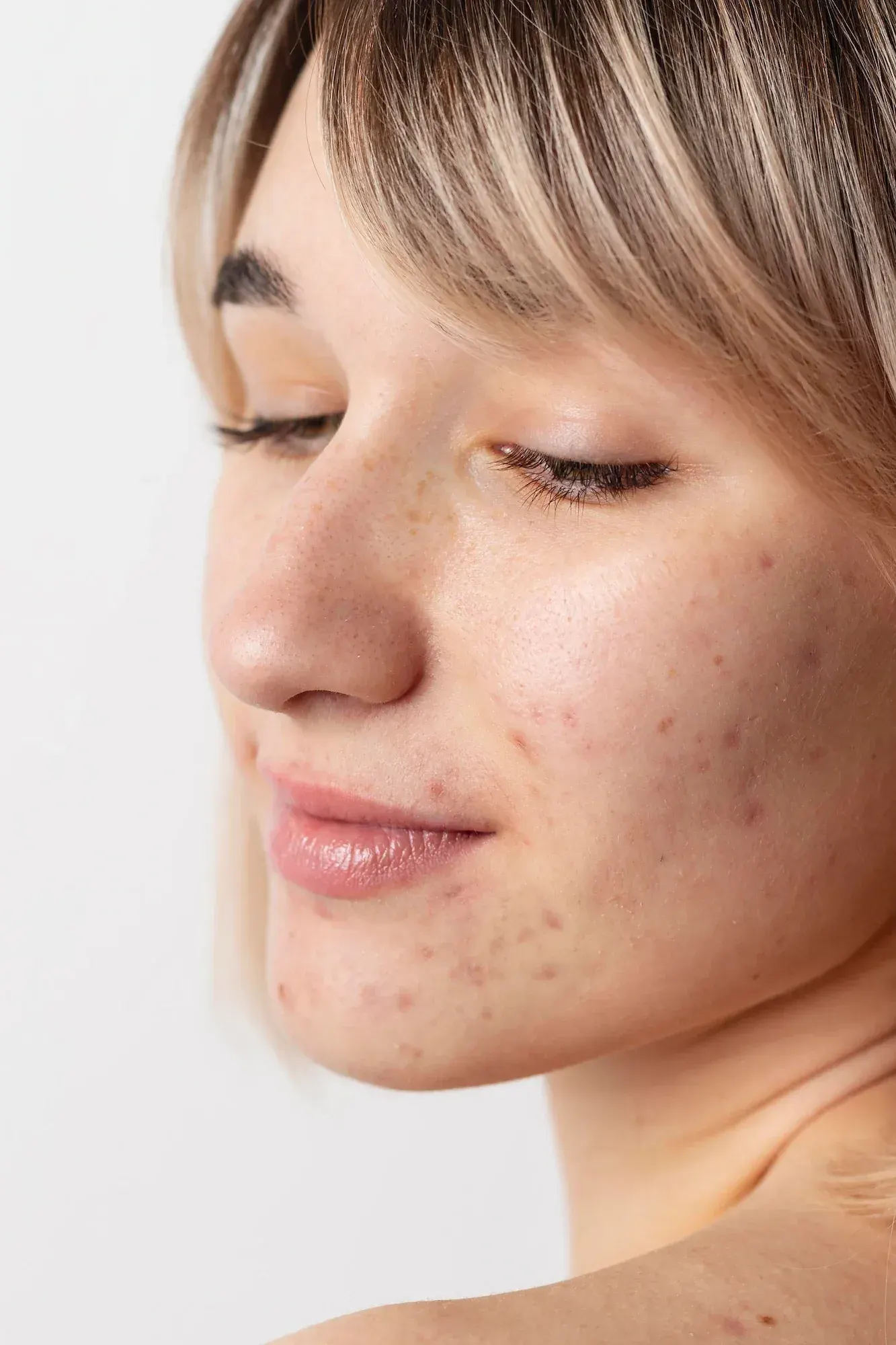
Person examining acne scarring on cheeks at Radiant Laser MD Cambridge

You May Be Experiencing Acne Scarring If...

Recognizing When to Seek Help

  • Pitted or Indented Scars
  • Uneven Skin Texture
  • Makeup Does Not Smooth It
  • Permanent Marks From Old Acne
  • Boxcar, Ice Pick, or Rolling Scars

Frequently Asked Questions

About Acne Scar Treatment

Can acne scars be fully erased?

In most cases, scars are softened rather than fully erased. Microneedling can deliver visible smoothing of boxcar and rolling scars over a series, while deep ice pick scars often improve but rarely disappear completely. We set expectations honestly during your consultation.

How many microneedling sessions will I need for acne scars?

Most patients see meaningful improvement over a series of 3 to 6 sessions spaced 4 to 6 weeks apart. Your scar subtype, depth, and skin response determine the exact count, and we reassess at the halfway point.

How quickly will I see results?

Microneedling stimulates collagen remodeling, so changes are gradual. Many patients notice smoother texture 4 to 6 weeks after the first session, with continued improvement at 3 to 6 months as new collagen matures.

Are acne scars the same as dark spots from past acne?

No. Acne scars are textural (pitted, indented, or raised), while post-inflammatory hyperpigmentation is a color change without a texture change. The two often appear together but respond to different treatments.

Is microneedling safe for darker skin tones?

Yes. Because microneedling does not use heat or light energy, it is considered safe across the full Fitzpatrick scale (I to VI). This makes it a strong option for patients who have been turned away from laser resurfacing elsewhere.

What can I do between sessions to support my results?

We typically recommend gentle resurfacing such as HydraFacial or dermaplaning between microneedling appointments, along with daily SPF and a barrier-supportive skincare routine to protect the new collagen as it forms.

When should I see a professional about acne scarring?

If you have textural scars that have not improved on their own and active acne is under control, that is the right time to consult. Treating scars while inflammation is still flaring tends to be less effective and can prolong healing.

Location896 Beacon Street, Unit 308
Boston, MA, 02215
(617) 352-4230
Location12 Eliot Street, Suite #201
Cambridge, MA, 02138
(617) 352-4230

Schedule Today Your Free Consultation

Scientific References