

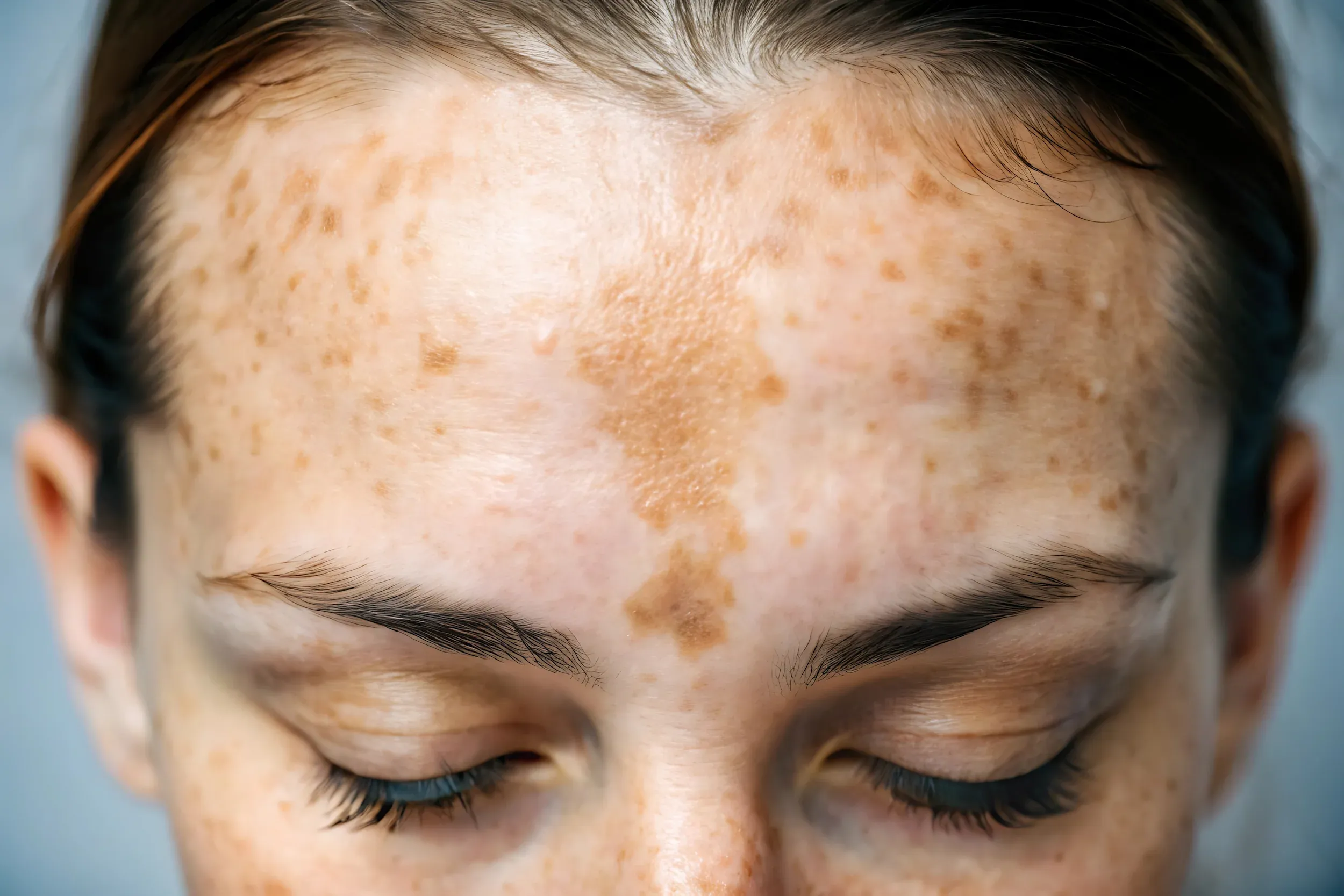
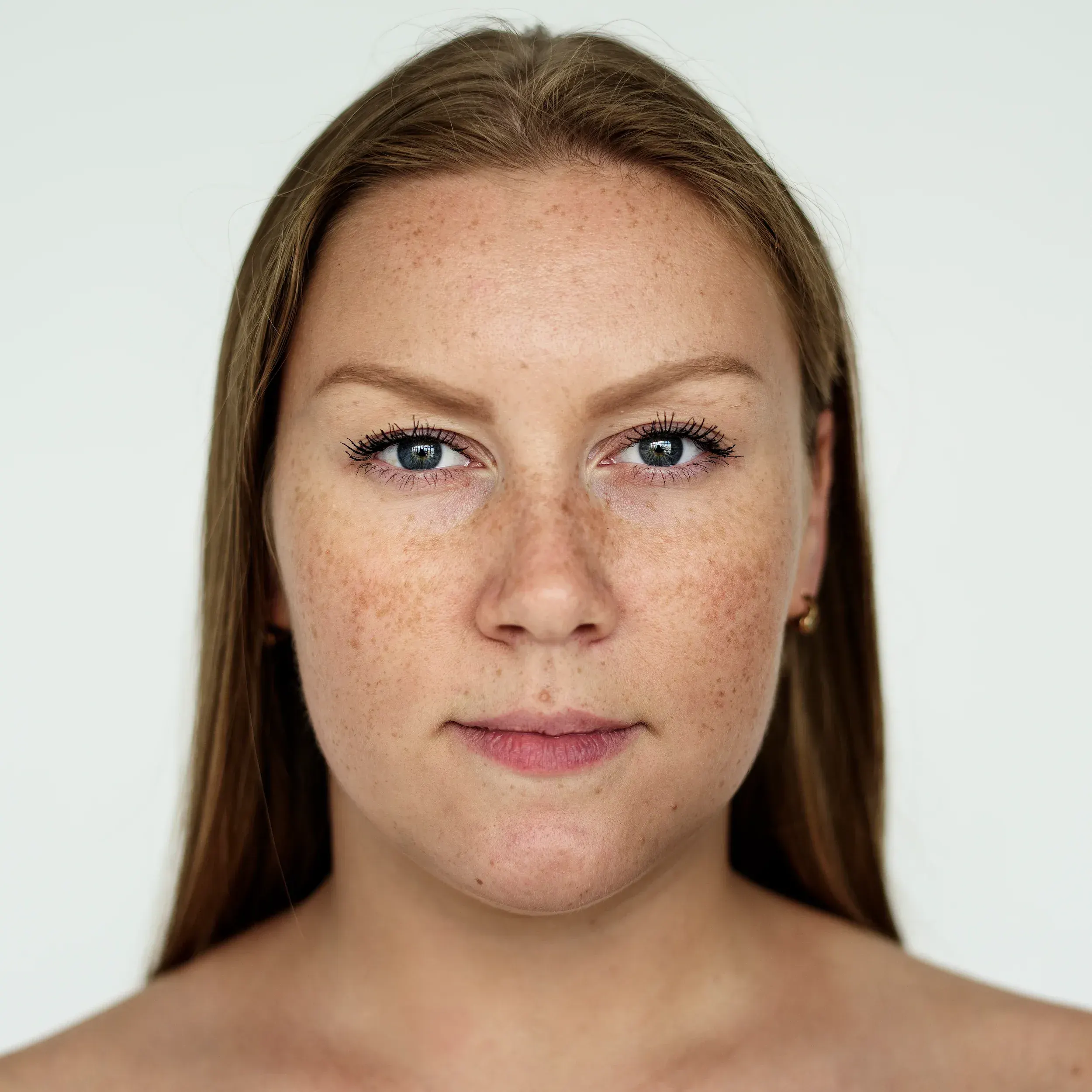

Melanocytes, the pigment-producing cells in the basal layer of the epidermis, package melanin into small parcels called melanosomes and hand them off to surrounding keratinocytes. When these cells are triggered by UV radiation, inflammation, or hormones, they overproduce melanin and deposit it unevenly across the skin. The American Academy of Dermatology outlines how this overproduction underpins post-inflammatory hyperpigmentation, lentigines, and melasma.
Once pigment is laid down, it can sit superficially in the epidermis (where it fades faster) or drop deeper into the dermis (where it becomes much harder to clear). This is why an acne mark on darker skin may persist for six to twelve months, while a similar mark on lighter skin can clear in weeks.
The barrier function of your skin also plays a role. A weakened barrier allows more inflammation, more UV penetration, and more melanocyte activation, which is why aggressive at-home exfoliation often makes hyperpigmentation worse rather than better. A measured approach with microneedling for hyperpigmentation or HydraFacial for uneven skin tone works on both the pigment and the barrier at the same time.