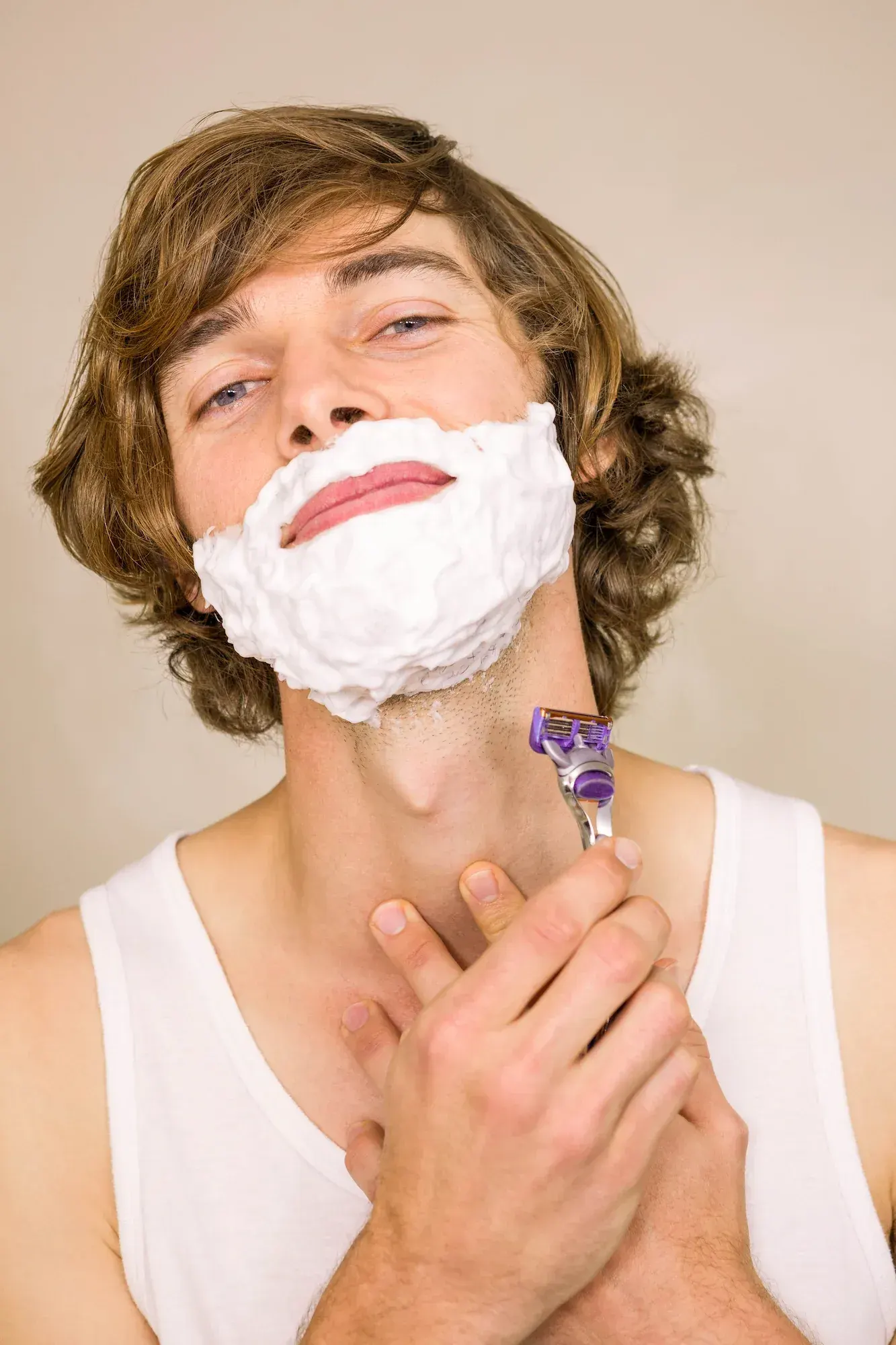


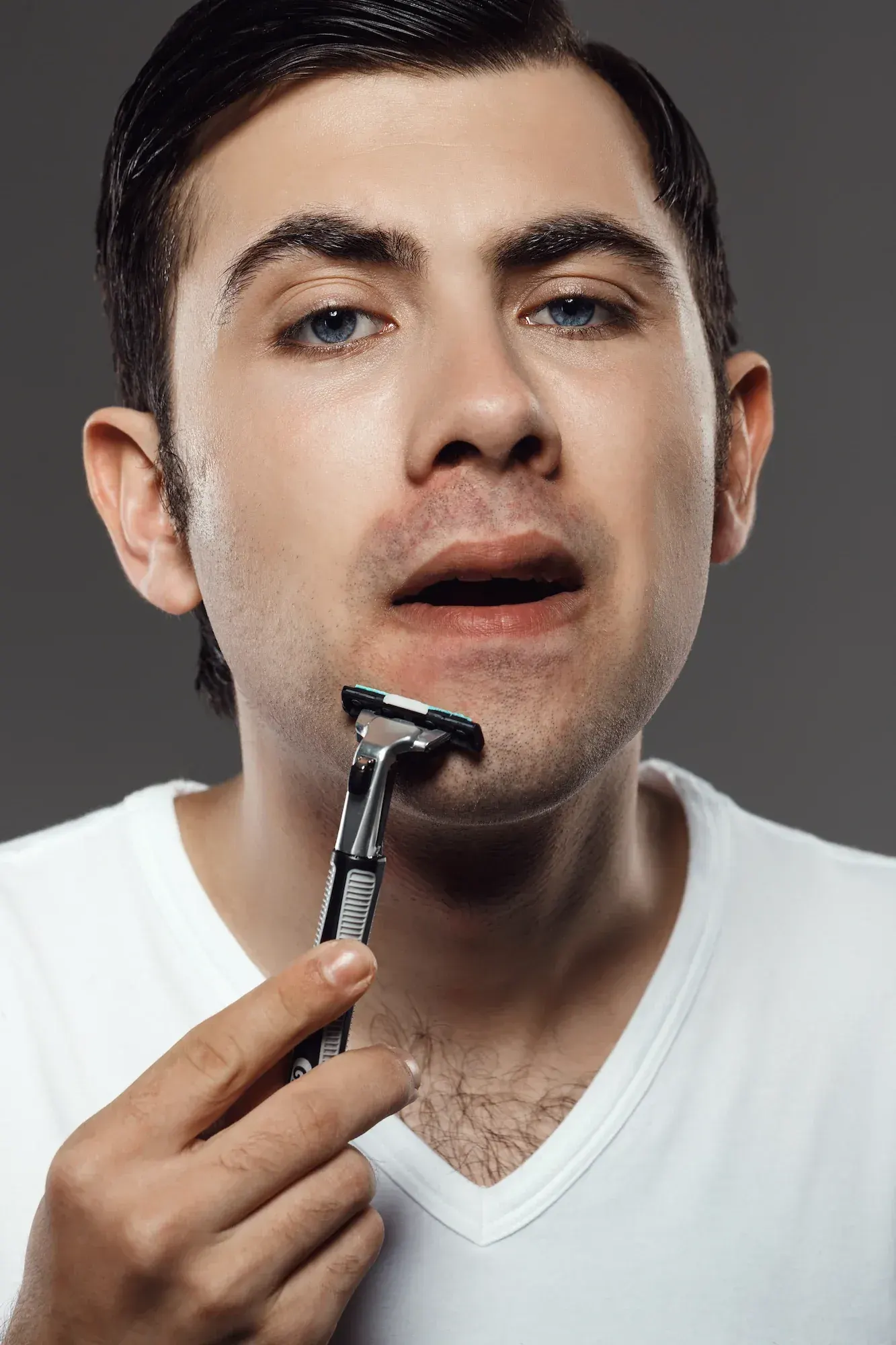
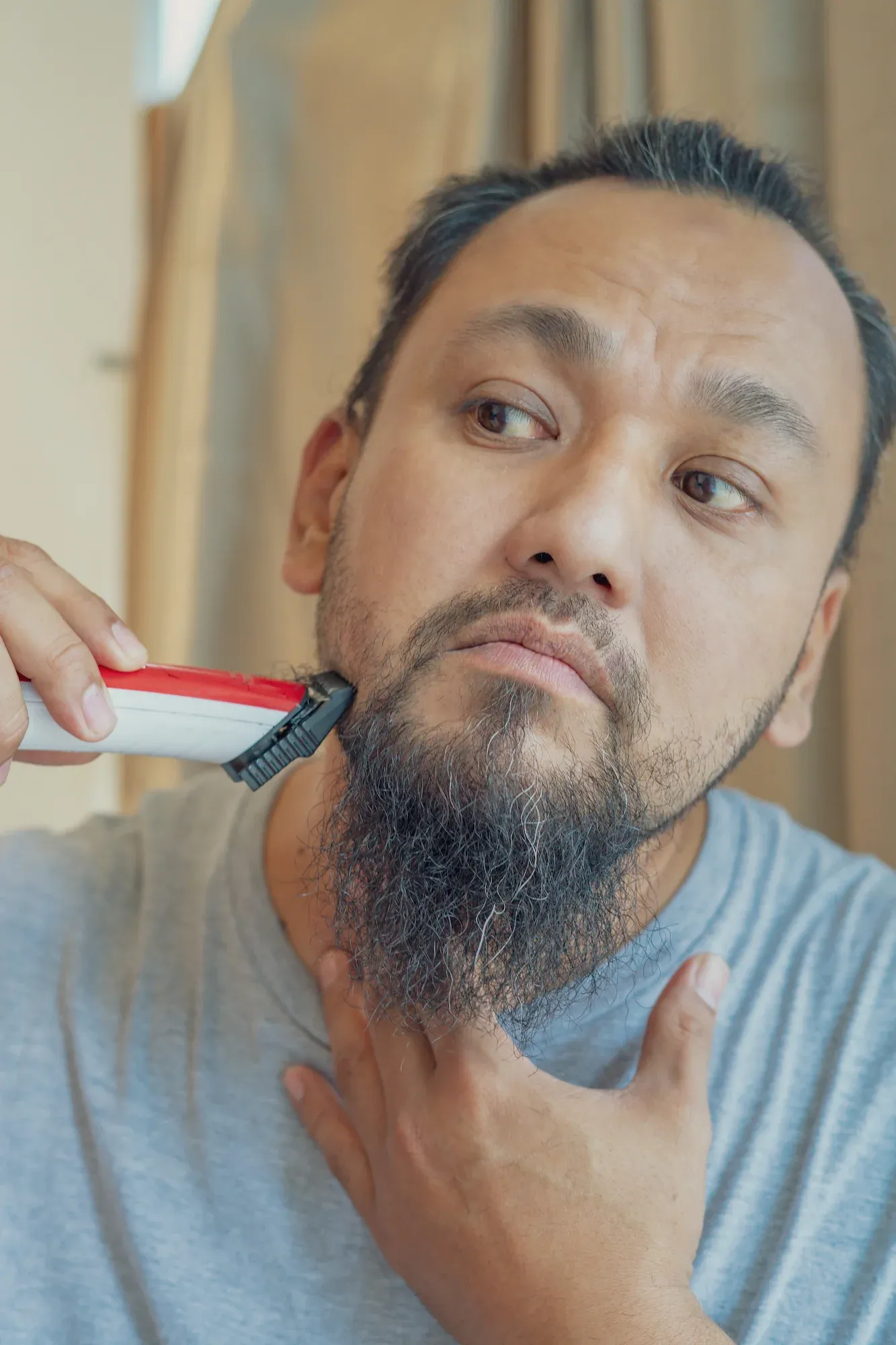
Person examining smooth facial skin in mirror at Radiant Laser MD Cambridge

Unwanted Facial Hair Treatment in Cambridge & Boston, MA

Common AreasUpper lip, chin, jawline, sideburns
Common CauseGenetics, hormones, PCOS
Best TreatmentLaser hair removal
Safe ForAll Fitzpatrick skin types
Close-up of facial hair along the upper lip and chin at Radiant Laser MD Cambridge

What Is Unwanted Facial Hair?

Recognizing the Signs

Unwanted facial hair refers to terminal hair growth on the upper lip, chin, sideburns, jawline, or neck that a patient would prefer to reduce or remove. It can range from a few stubborn dark hairs to broader patches that feel coarse, visible, and difficult to manage. The pattern is shaped by genetics, hormones, and ethnicity, and it affects people of every gender.

When you find yourself shaving, tweezing, threading, or waxing the same areas of your face every few days, you are experiencing the daily burden of unwanted facial hair. The hairs often grow back quickly and feel coarser to the touch, leading to a cycle of upkeep that can leave skin red, irritated, or marked with dark spots.

Patients describe noticing the hairs most in close-up photos, on video calls, in bright bathroom light, or after a fresh wax appointment when regrowth begins within days. For many, the goal is not perfection but simply more time between maintenance sessions and less irritation along the way.

Diagram of androgen-sensitive facial hair follicles at Radiant Laser MD Cambridge

Why Unwanted Facial Hair Happens

Understanding the Root Causes

Facial hair growth is regulated by androgens, primarily testosterone and its more potent derivative dihydrotestosterone (DHT). Hair follicles on the upper lip, chin, and jawline are highly sensitive to these hormones. When androgen levels rise, or when follicles become more responsive to normal levels, fine vellus hairs convert into thicker, pigmented terminal hairs. The National Institute of Diabetes and Digestive and Kidney Diseases identifies hirsutism, or excess coarse facial and body hair, as one of the most common signs of androgen excess.

Genetics also play a major role. Ethnic background influences both follicle density and androgen sensitivity, which is why patients of Mediterranean, South Asian, Middle Eastern, and Latin American heritage often notice more facial hair regardless of hormone levels. Targeting the follicle directly with laser hair removal for facial hair interrupts this growth at the source.

Hormonal shifts during puberty, pregnancy, perimenopause, and menopause can trigger or worsen the pattern. Conditions such as polycystic ovary syndrome (PCOS), thyroid imbalance, and adrenal disorders raise circulating androgens and frequently present with new or accelerating facial hair as one of the first visible signs.
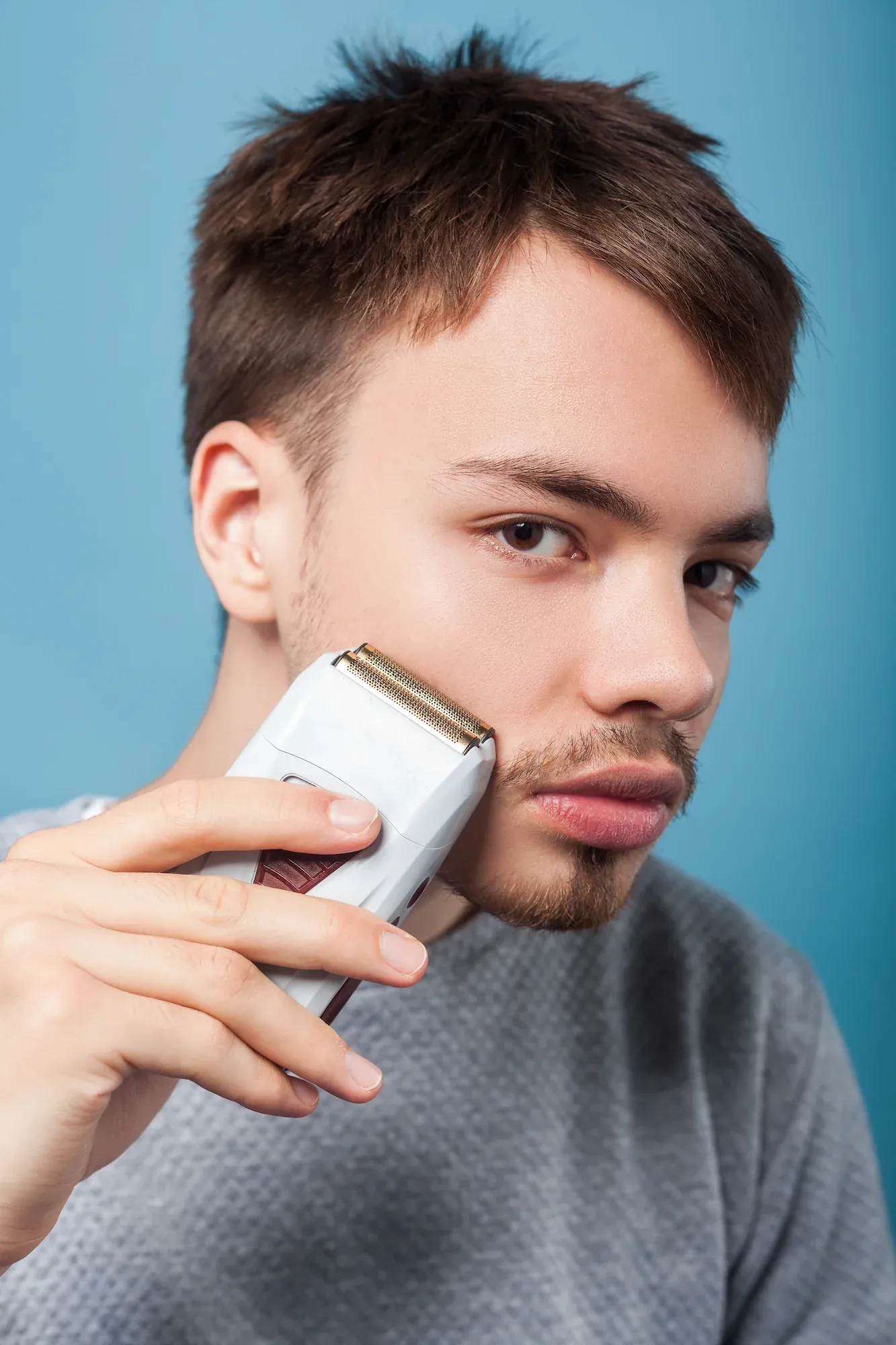

Illustration of follicle anatomy and the hair growth cycle at Radiant Laser MD Cambridge

Why Tweezing and Waxing Cannot Solve It

How Repeated Pulling Affects the Skin

Tweezing, waxing, and threading remove the hair shaft but leave the follicle intact and undamaged. As long as the follicle remains active and androgen-sensitive, it will produce another terminal hair within days or weeks. Some studies suggest that repeated trauma to the follicle can actually stimulate stronger regrowth in certain patients over time.

The facial skin around the upper lip and chin is also thinner and more reactive than skin elsewhere on the body. Repeated waxing and threading can cause folliculitis, ingrown hairs, and post-inflammatory hyperpigmentation, particularly in darker skin tones. What starts as a hair concern can quickly become a combined hair and pigmentation concern.

This is why long-term relief depends on disabling the follicle itself. Laser hair removal targets the pigment in the hair shaft, delivering heat down to the follicle and progressively reducing its ability to produce new terminal hairs. Surface treatments like dermaplaning for surface peach fuzz address vellus hair only and are best used alongside, not instead of, follicle-level treatment for coarse hair.

What Accelerates Unwanted Facial Hair?

Several interconnected factors accelerate the development of unwanted facial hair, often working together to convert fine vellus hairs into thicker, pigmented terminal hairs.

Genetics and Ethnicity

Family history and ethnic background largely determine follicle density and androgen sensitivity, especially across Mediterranean, South Asian, and Middle Eastern lineages.

Hormonal Changes

Puberty, pregnancy, perimenopause, and menopause shift estrogen and androgen balance, often triggering new or coarser facial hair on the chin and jawline.

PCOS and Endocrine Conditions

Polycystic ovary syndrome, thyroid disorders, and adrenal conditions raise circulating androgens and commonly present with hirsutism.

Medications

Certain hormonal therapies, anabolic steroids, and some seizure or immunosuppressive medications can stimulate terminal hair growth on the face.

Plucking and Waxing Cycles

Repeated mechanical removal leaves the follicle intact, so terminal hairs return within days and can become coarser over time.

Aging Follicles

With age, hormonal shifts can reactivate dormant follicles on the chin and upper lip that were previously quiet.

Radiant Laser MD treatment room interior in Cambridge Massachusetts

Why Choose Radiant Laser MD for Unwanted Facial Hair Care in Cambridge, MA

Expert Care in Cambridge

  • Inclusive Care
  • Two Lasers, All Skin Types
  • Precise Settings
  • Two Locations

Treatment Options Comparison

Finding Your Best Approach

Treatment Best For Session Time Results Timeline Maintenance
Laser Hair Removal with Candela GentleMax Pro Permanent reduction of dark facial hair 15-30 min 6-8 sessions for 80-95% reduction Annual touch-ups
Dermaplaning Removes peach fuzz and dead skin, not coarse hair 30-45 min Immediate smoothness Every 3-4 weeks
HydraFacial Calms irritation from repeated hair removal 30-45 min Immediate hydration Monthly
Patient discussing facial hair removal options at Radiant Laser MD Cambridge

You May Be Experiencing Unwanted Facial Hair If...

Recognizing When to Seek Help

  • Visible Coarse Hair
  • Quick Regrowth
  • Irritated Skin
  • PCOS or Hormonal Shifts
  • Genetic Pattern
  • Self-Conscious in Photos

Frequently Asked Questions

About Unwanted Facial Hair

How many laser sessions do I need for facial hair?

Most patients need 6 to 8 sessions spaced 4 to 6 weeks apart to reach 80 to 95 percent reduction on the upper lip, chin, and jawline. Hormonal causes such as PCOS may require additional maintenance sessions over time.

Is laser hair removal safe for darker skin tones?

Yes, when the correct device is used. We treat all Fitzpatrick types with the Candela GentleMax Pro Nd:YAG, the wavelength clinically validated for skin of color, and use FDA-cleared Skintel melanin reading to personalize settings.

Can laser hair removal help if my facial hair is caused by PCOS?

Yes. Laser hair removal physically reduces the visible hair and is one of the most effective long-term tools for managing PCOS-related hirsutism. We coordinate with your endocrinologist or primary care team when appropriate.

Do you treat trans and nonbinary patients?

Absolutely. Our practice welcomes patients of every gender. We tailor treatment plans to your individual goals, whether that means complete clearance, partial reduction, or simply less daily maintenance.

Can I shave between laser sessions?

Yes. Shaving and dermaplaning are both safe between sessions because they do not remove the hair root the laser needs to target. We ask that you avoid waxing, threading, and plucking for at least 4 weeks before each treatment.

Will laser hair removal hurt on my face?

Most patients describe brief snapping or warm sensations rather than true pain. The treated areas are small, so sessions on the upper lip or chin are typically completed in only 15 to 30 minutes with built-in cooling for comfort.

What about peach fuzz on my cheeks?

Fine, blond, gray, or red vellus hairs do not respond well to laser because they lack pigment. For peach fuzz, dermaplaning is the most effective in-clinic option and pairs well with laser for the coarser hairs on the lip and chin.

Location896 Beacon Street, Unit 308
Boston, MA, 02215
(617) 352-4230
Location12 Eliot Street, Suite #201
Cambridge, MA, 02138
(617) 352-4230

Schedule Today Your Free Consultation

Scientific References