

Can You Get Laser Hair Removal While Breastfeeding?
If you’re a new mom navigating the changes that come with the postpartum period, you might be wondering if laser hair removal is safe while breastfeeding. With fluctuating hormone levels, new hair growth patterns, and limited time for self-care, many women consider long-term…
If you’re a new mom navigating the changes that come with the postpartum period, you might be wondering if laser hair removal is safe while breastfeeding. With fluctuating hormone levels, new hair growth patterns, and limited time for self-care, many women consider long-term solutions to unwanted hair. In this article, we’ll explore whether laser hair removal is a safe option for breastfeeding mothers, what precautions to take, and how advanced technologies like the Elite IQ can offer customized, skin-safe results.
How Laser Hair Removal Works and Why Elite IQ Stands Out
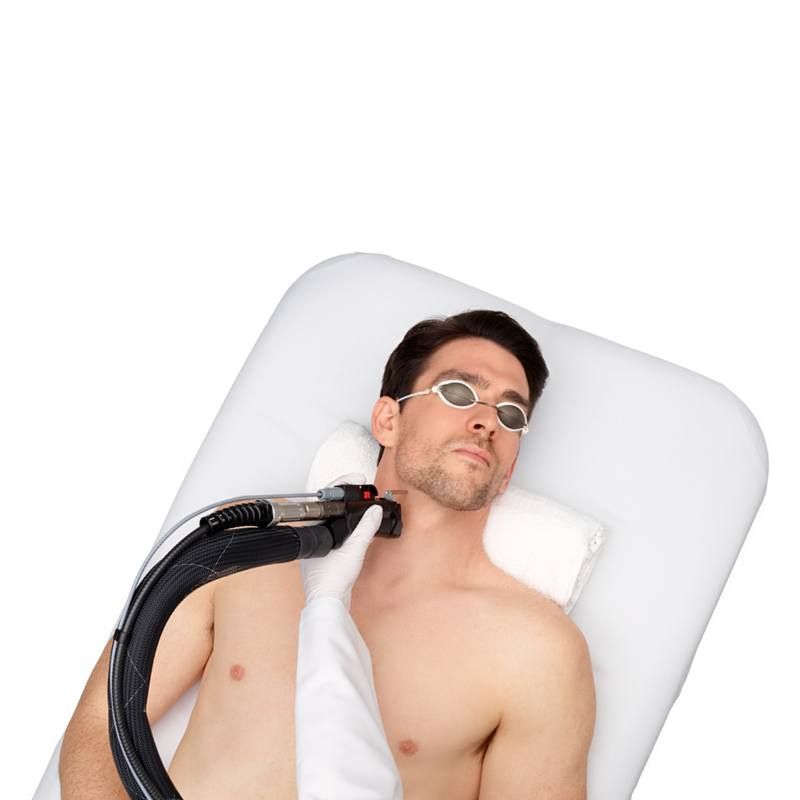
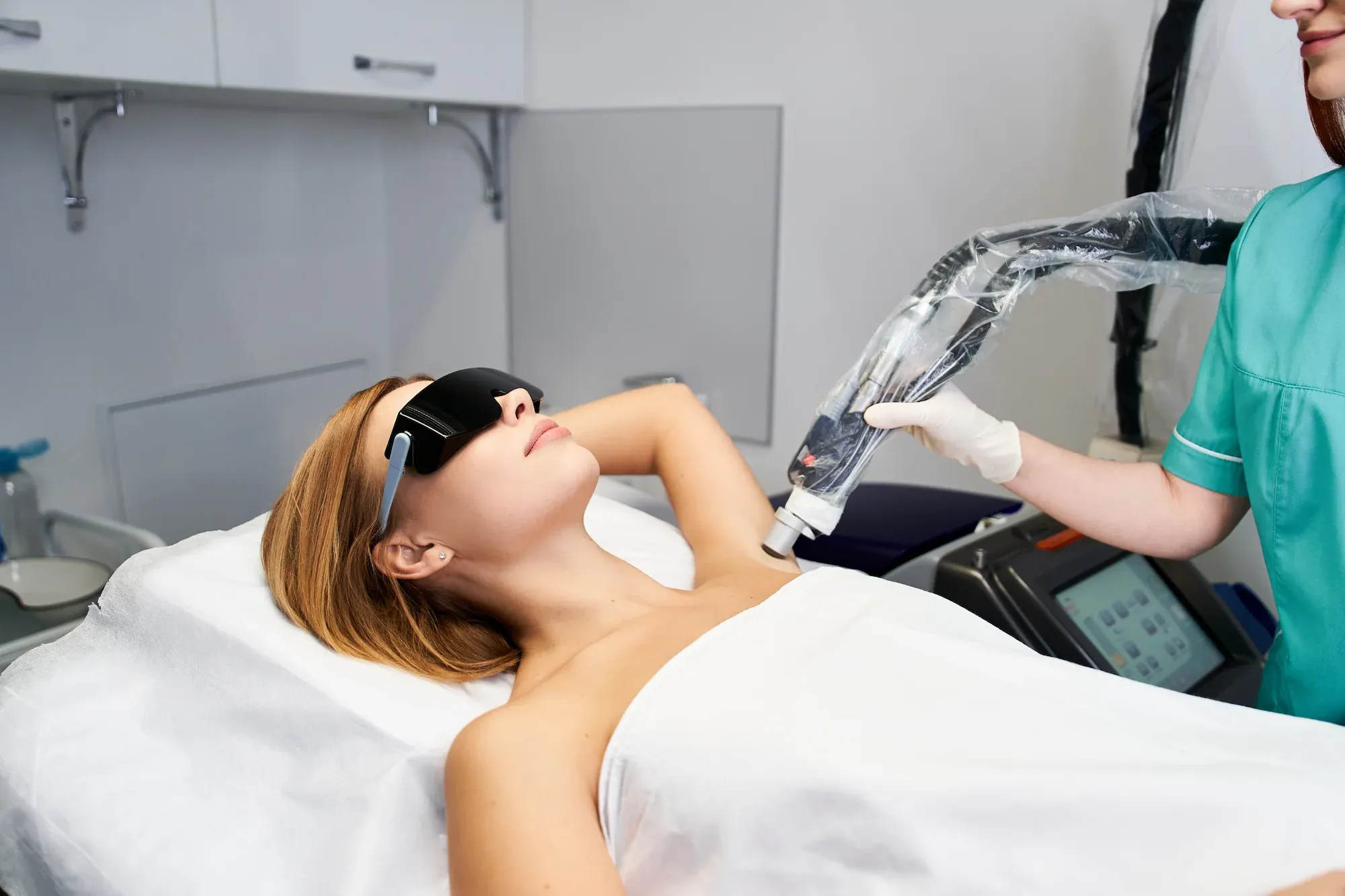
Laser hair removal targets melanin inside hair follicles with concentrated light energy, converting that light to heat that disables the follicle’s ability to regrow. Over multiple treatments timed to the hair growth cycle, this controlled thermal damage leads to long-term hair reduction and smoother skin.
Elite IQ, an advanced dual-wavelength platform, combines a 755 nm Alexandrite and a 1064 nm Nd:YAG laser in one handpiece. That versatility allows your provider to match wavelength, pulse width, and fluence to your exact skin type and hair color, making treatments safer for a wider range of skin tones, from very fair to deeper complexions, than single-wavelength devices. A built-in Skintel melanin reader objectively measures epidermal pigment, reducing guesswork when choosing settings and further lowering the risk of burns or pigmentation changes. These Elite IQ features illustrate what modern technology can contribute to treatment precision and comfort, especially for breastfeeding mothers whose hormone levels may heighten skin sensitivity.
Preparation and Aftercare for Laser Hair Removal
Successful laser hair removal begins well before you step into the treatment room and continues in the days afterward. Shave the target area 24 hours prior so the light energy can reach the hair follicles efficiently. Skip sunbathing, tanning beds, and self-tanners for at least two weeks beforehand, as excess pigment can raise the chance of skin irritation or hyperpigmentation. Pause exfoliating acids, retinoids, and depilatory creams a few days before your appointment to avoid compounding skin sensitivity.
After each session, apply a cooling gel or aloe, wear loose clothing, and keep the skin clean and moisturized. A broad-spectrum SPF 30 or higher is essential, because freshly treated skin is more vulnerable to ultraviolet damage. Following these preparation and aftercare steps helps protect sensitive postpartum skin and supports consistent hair reduction results.
Postpartum Hormonal Fluctuations and Hair Growth Patterns
During pregnancy, elevated estrogen prolongs the growing phase of body hair, producing fuller, thicker strands and sometimes new patches of unwanted hair. Once the baby arrives, estrogen levels plunge, and hairs synchronized in the growth phase enter the shedding phase at the same time. Many women notice increased hair loss on the scalp and a temporary spike in body hair a few months into the postpartum period.
Prolactin, the hormone that supports lactation, also affects hair growth cycles and sebum production, which can change the texture of both skin and hair. Because hormone levels continue to shift while breastfeeding, hair growth patterns can feel unpredictable. Laser hair removal treatment disrupts actively growing follicles, so it remains effective even when hormones fluctuate, but more sessions and minor schedule adjustments might be needed to account for these changes.
Is Laser Hair Removal Safe While Breastfeeding?
Current research does not show systemic absorption of laser light or its byproducts capable of entering breast milk or affecting the nursing infant. The light energy is confined to the epidermis and dermis and does not travel through the bloodstream. For healthy breastfeeding mothers without underlying skin conditions, most dermatologists and aesthetic physicians consider laser hair removal safe. However, formal clinical trials on lactating women are scarce, so many providers apply an extra layer of caution.
The consensus best practice is to avoid treating areas adjacent to the breast tissue, including the areola, to completely eliminate any thermal exposure to milk ducts. Focusing on underarms, legs, bikini line, or facial regions away from the chest poses effectively no risk to milk supply or breast milk composition. Still, every postpartum body responds uniquely. A thorough consultation and medical history review ensure that timing, device settings, and treatment plan respect both maternal health and infant well-being.
Potential Risks and Skin Considerations for Breastfeeding Mothers
Breastfeeding often coincides with lingering pregnancy hormones that increase skin sensitivity. Elevated progesterone can exacerbate melasma, while lower estrogen may slow wound healing. Both factors heighten the possibility of temporary side effects such as redness, swelling, or a mild burning sensation after laser exposure.
Hyperpigmentation or hypopigmentation is more common in skin types IV through VI because melanin readily absorbs laser energy. Elite IQ’s dual wavelengths and melanin reader help mitigate this risk, but diligent sun protection and an optional patch test provide extra reassurance. Other potential risks include rare blistering or folliculitis. An experienced provider tailors parameters to your skin tone, skin type, and hormone-affected sensitivity, reducing these adverse outcomes.
Benefits of Starting Treatments With Elite IQ During Lactation
Because Elite IQ offers rapid pulse repetition and an integrated cooling technology, sessions are typically shorter and more comfortable, which is a welcome benefit when juggling infant care. The device’s large spot size allows efficient coverage of larger body areas, and the ability to adjust wavelengths on the fly is ideal when hormone-driven pigmentation changes appear between sessions.
Starting a series during lactation means you may finish the recommended six to eight treatments around the time you complete breastfeeding. By that point, you’ll enter toddlerhood with significant hair reduction, saving time otherwise spent on shaving or waxing during an already busy stage of life. Additionally, consistent treatments can discourage ingrown hairs, a common concern in areas repeatedly shaved in a rush.
Alternatives to Laser Hair Removal During the Postpartum Period
If you prefer to postpone laser treatments until after lactation, traditional hair removal methods remain an option. Shaving is quick and inexpensive but may cause nicks or razor burn. Waxing swiftly removes hair from the root, offering smoother results for two to four weeks, but it can be painful for sensitive skin and risks infection if hygiene is lax. Depilatory creams dissolve the protein in hair shafts but carry a higher chance of skin irritation and unpleasant odors.
Intense Pulsed Light (IPL) devices sold for home use claim hair reduction but use broad-spectrum light that is less targeted than a professional laser and often unsuitable for darker skin tones. Each alternative has trade-offs in convenience, cost, and effectiveness. Discussing your unique postpartum circumstances with a qualified professional helps determine whether waiting or proceeding with laser hair removal is the right call.
Making an Informed Decision: Consulting Qualified Providers
Choose a clinic supervised by board-certified physicians or experienced nurse practitioners who understand both cosmetic procedures and postpartum physiology. Ask about the specific laser platform, whether it is Elite IQ or a comparable dual-wavelength system, and how many treatments the practice has performed on breastfeeding mothers. Request to see before-and-after photos of clients with your skin tone and hair type.
During the consultation, disclose your delivery date, current lactation status, and any medications, including antibiotics for mastitis or hormonal contraception. A patch test on a discreet area allows the provider to observe skin response over 48 hours. If you are using topical treatments for pregnancy-related pigmentation, such as azelaic acid, share that information so parameters can be adjusted. A reputable specialist will give clear guidance on aftercare, warning signs of skin irritation, and realistic expectations for hair reduction percentages.
Conclusion: Smooth Skin and Peace of Mind
Laser hair removal while breastfeeding is generally considered low risk, particularly when performed with a sophisticated device like Elite IQ under the guidance of an experienced provider. Understanding postpartum hormonal fluctuations, adhering to careful preparation and aftercare, and openly communicating with your clinician ensure that you balance skin care goals with your baby’s health. Whether you move forward now or wait until the postpartum period winds down, it’s always important to make an informed decision. Contact us today to start on the path to smooth skin and confidence throughout motherhood.
FAQs About Laser Hair Removal While Breastfeeding
How soon after giving birth can I schedule my first session?
Most experts recommend waiting at least six weeks postpartum to allow hormone levels and skin recovery to stabilize.
Can laser hair removal affect milk supply?
No evidence suggests that localized light energy impacts systemic hormone production or lactation.
Is it safe to treat facial hair while nursing?
Yes, provided the treatment area is not adjacent to breast tissue. Eyes are protected with goggles, and Elite IQ’s precision settings suit delicate facial skin.
Do I need to pump and dump after a session?
Because laser energy stays within the skin and does not enter breast milk, there is no need to discard milk.
Will hormonal changes make treatments less effective?
Fluctuating estrogen and prolactin can accelerate or decelerate hair growth, so you might need one or two extra sessions, but the overall reduction is comparable.