
Does At Home Laser Hair Removal Work
At-home laser and IPL devices promise spa-level smoothness without leaving your bathroom, but do they really work? The answer depends on the technology you choose, your skin tone, hair color, and how closely you follow the recommended schedule. Use this guide to learn what the…
At-home laser and IPL devices promise spa-level smoothness without leaving your bathroom, but do they really work? The answer depends on the technology you choose, your skin tone, hair color, and how closely you follow the recommended schedule. Use this guide to learn what the science says, how to stay safe, and whether a DIY approach can replace professional laser hair removal.
What Is At-Home Laser Hair Removal?
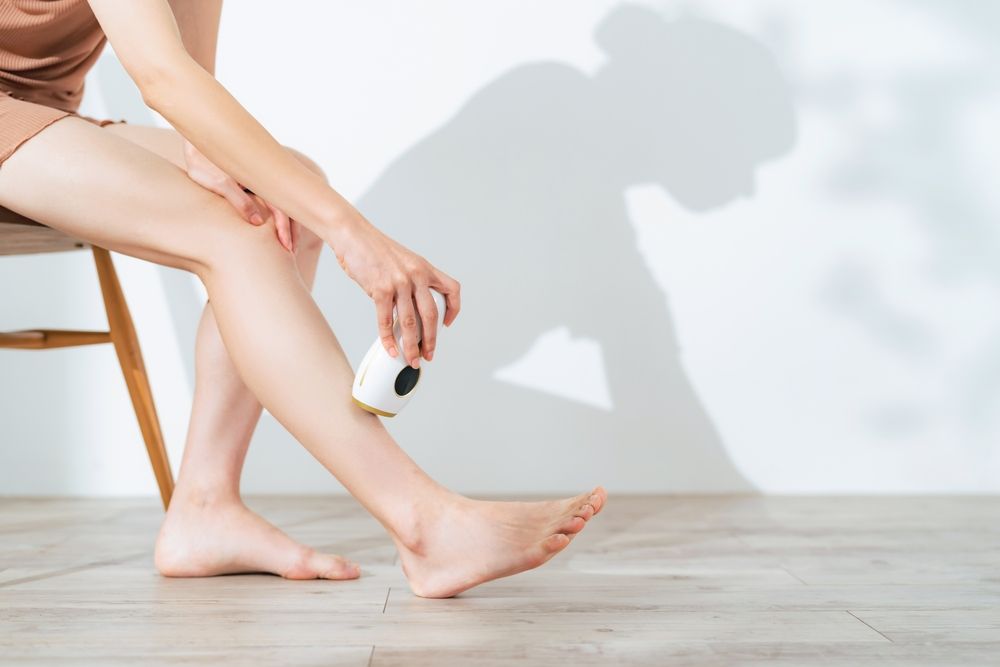
At-home laser hair removal devices are compact tools that emit concentrated light energy to target the pigment in a hair follicle. Some models use diode laser technology, while others rely on intense pulsed light (IPL). Both aim to heat the follicle enough to disrupt new hair growth, although they work across slightly different wavelengths. Because they are designed for home use, energy levels are lower than in-office machines, which makes treatments safer but typically slower.
How Do At-Home Laser and IPL Devices Work?
When the light pulse strikes the melanin in dark hair, energy converts to heat that damages the follicle and pushes it into a prolonged resting phase. Over several sessions aligned with the natural growth cycle, fewer hairs reach the surface, leading to visible hair reduction. IPL devices deliver a broad spectrum of wavelengths, filtered for safety. Diode laser units emit a single, more focused wavelength that can penetrate deeper. Either way, consistency is critical: most manufacturers suggest weekly or biweekly sessions for eight to twelve weeks, followed by touch-ups every one to three months to maintain smooth skin.
Effectiveness: Can At-Home Devices Deliver Hair Reduction?
Clinical studies show meaningful hair reduction—defined as 50 to 70 percent fewer actively growing hairs—after a full course of treatments with quality at-home laser hair removal devices. Results vary by skin types and hair color:
- Light to medium skin with dark hair: The high contrast between pigment in the hair and the surrounding skin allows light energy to focus on the follicle, producing the best results.
- Darker skin tones: Melanin in the epidermis competes for the light energy, increasing the risk of overheating and skin damage. Newer diode devices with adjustable intensity levels and longer wavelengths can be safer, but outcomes may still be slower.
- Blonde, red, gray, or white hair: With minimal pigment to absorb light energy, these shades respond poorly to both IPL and laser devices. Professional options such as electrolysis or specialized wavelengths might be needed.
Most users see visible reduction on small areas like the upper lip, underarms, or bikini line after four to six treatments. Larger areas such as legs or the back require more sessions because each pass covers less surface and delivers lower energy than professional laser treatments.
Pros and Cons of DIY Laser Hair Removal
Advantages
- Convenience: Treat unwanted hair on your schedule, without booking appointments.
- Cost savings: A reputable IPL hair removal device costs less than a single full-body professional treatment package.
- Privacy: Many people prefer handling sensitive zones like the bikini area in the comfort of home.
Limitations
- Slower progress: Lower energy means more sessions and delayed hair-free skin.
- User error: Skipping steps like skin cleansing or using the wrong intensity increases side effects.
- Incomplete permanence: Even with diligent use, you may need periodic touch-ups to maintain smooth results.
- Restricted candidates: Certain skin tones, tattoos, active tan lines, or photosensitizing medications make at-home treatments inadvisable.
Safety Considerations for Different Skin Tones and Hair Types
Melanin absorbs light energy, so darker skin carries a higher risk of burns, hyperpigmentation, or hypopigmentation. Check the device’s skin tone chart before buying. Look for models with:
- Multiple intensity levels and a built-in skin sensor.
- FDA clearance for a wider range of tones, including dark skin types IV, V, or VI on the Fitzpatrick scale.
- Longer wavelengths (such as an 810 nm diode) that bypass surface pigment more safely.
Sensitive skin may react with temporary redness or swelling. Cool the treatment area with an ice pack, avoid exfoliants for 24 hours, and apply an alcohol-free moisturizer.
At-Home vs Professional Laser Hair Removal
| Factor | At-Home Devices | In-Office Treatments |
|---|---|---|
| Energy levels | Low to moderate | High, customizable |
| Hair reduction speed | Gradual (months) | Faster (weeks) |
| Suitability for darker skin | Limited, improving | Broad, with proper equipment |
| Cost per session | Low after purchase | Higher per visit |
| Expertise | DIY learning curve | Trained laser specialist or dermatologist |
| Ideal areas | Small areas, maintenance | Larger areas, coarse body hair |
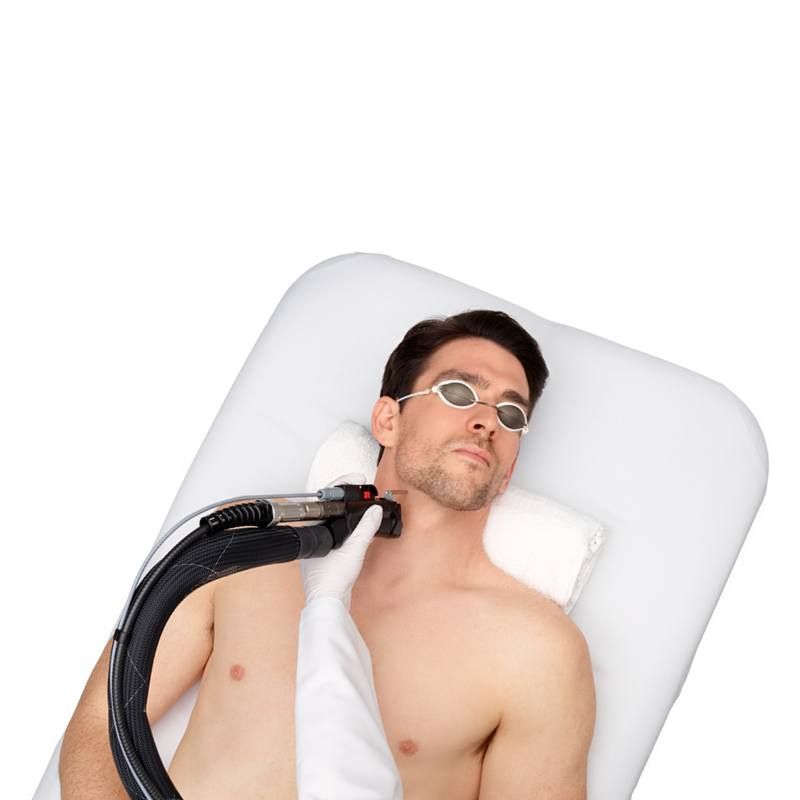
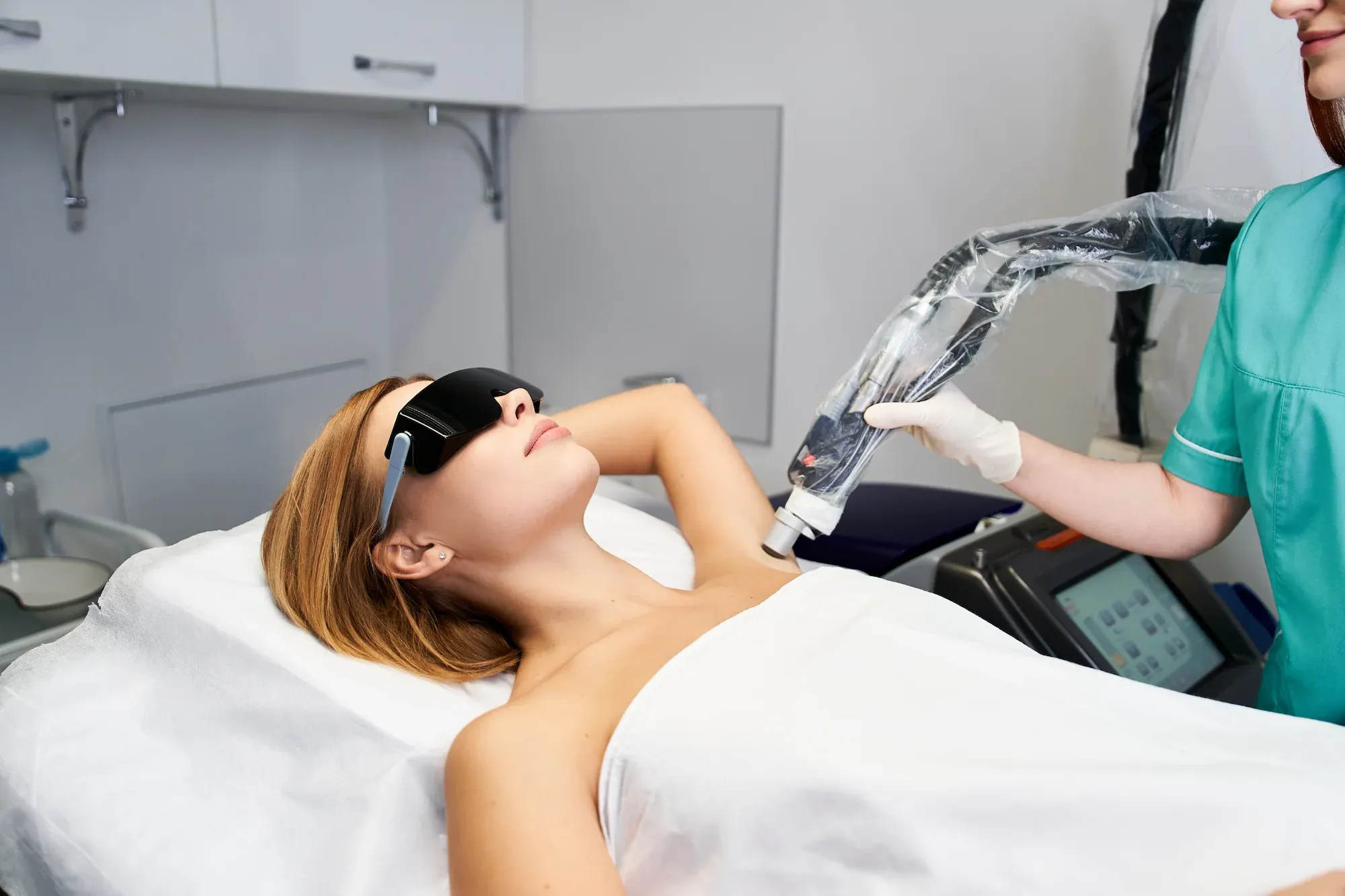
Professional laser hair removal uses medical-grade machines that can deliver higher fluence and precision. If you want near-permanent reduction on large body areas or have dark skin, an in-clinic plan remains the gold standard.
Tips for Achieving the Best Results at Home
Shave first
Removing surface hair lets light energy travel straight to the follicle instead of scattering on the shaft.
Dry, clean skin
Oils, lotions, and deodorants can absorb light and cause skin damage.
Select the right intensity
Start at a lower setting, then increase as tolerated to reach effective energy levels without discomfort.
Follow the schedule
Set calendar reminders so each pulse hits hairs in an active growth phase.
Protect treated skin
Avoid sun exposure for 48 hours, use SPF 30+, and skip waxing or plucking between sessions.
Document progress
Take photos every few weeks to track hair reduction objectively.
Choosing an At-Home IPL or Diode Laser Device
Key shopping criteria include:
- FDA clearance: Confirms safety testing for home use.
- Wavelengths and power: An 810 nm diode or broad-spectrum IPL from 500 to 1,200 nm, adjustable for different body areas.
- Flashes per cartridge: Higher flash counts extend the device’s lifespan, especially when treating larger areas.
- Skin tone sensor: Prevents activation on unsuitable skin.
- Gliding mode: Speeds up coverage on legs or arms.
- Reputable brand: Models from Ulike, Braun, Tria, or Philips Lumea carry clinical data and robust customer support.
When to Seek Professional Treatments
- Minimal results after 12 to 16 weeks: Insufficient energy or improper technique may be at play.
- Dark skin with past hyperpigmentation: A professional diode or Nd:YAG laser targets melanin more safely.
- Very coarse body hair on larger areas: Higher fluence and wider spot sizes at a clinic cut total sessions in half.
- Hormonal conditions causing rapid regrowth: Endocrine evaluation plus professional laser hair removal treatments might be needed.
- Desire for permanent hair removal: Electrolysis or high-power lasers operated by experienced providers deliver the most definitive outcome.
The Bottom Line
Do at-home laser hair removal devices work? For many people with light to medium skin and dark hair, consistent use of a quality IPL or diode unit results in noticeable, lasting hair reduction, smoother skin, and fewer ingrown hairs. Patience is essential: expect three months of weekly sessions followed by regular touch-ups to stay hair-free. Users with darker skin tones, light hair colors, or large treatment areas may see limited benefits and greater risks, making professional laser technology the better path to the desired results. With realistic expectations, diligent skin care, and smart device selection, you can enjoy the convenience of DIY treatments while keeping the option of in-office expertise for a final polish. For personalized advice on achieving lasting hair reduction, contact us now and let our experts guide you to the right solution.