

Does Laser Hair Removal Darken Skin? How Laser Hair Removal Works
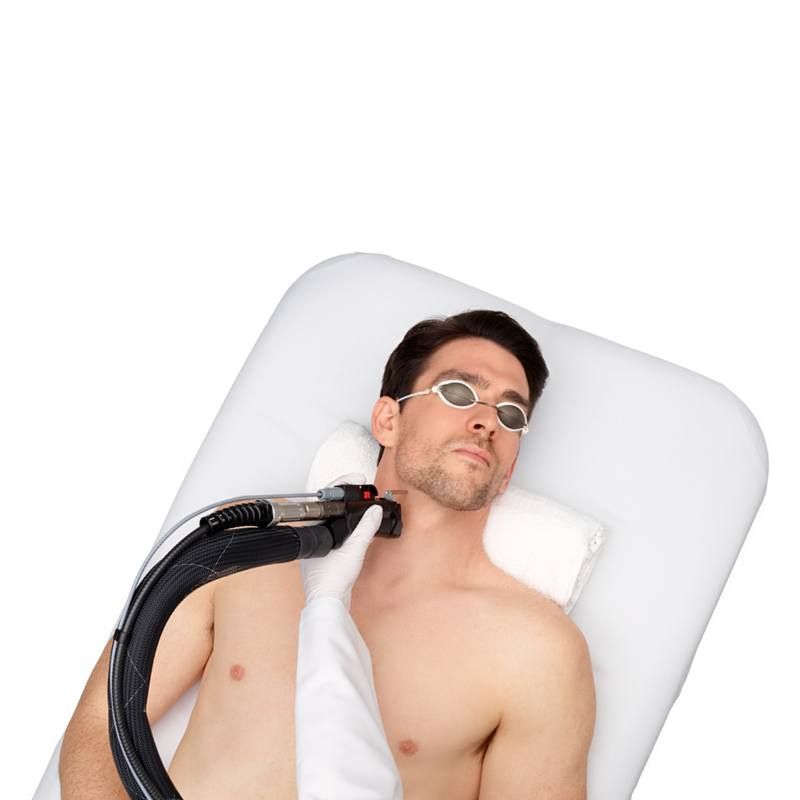
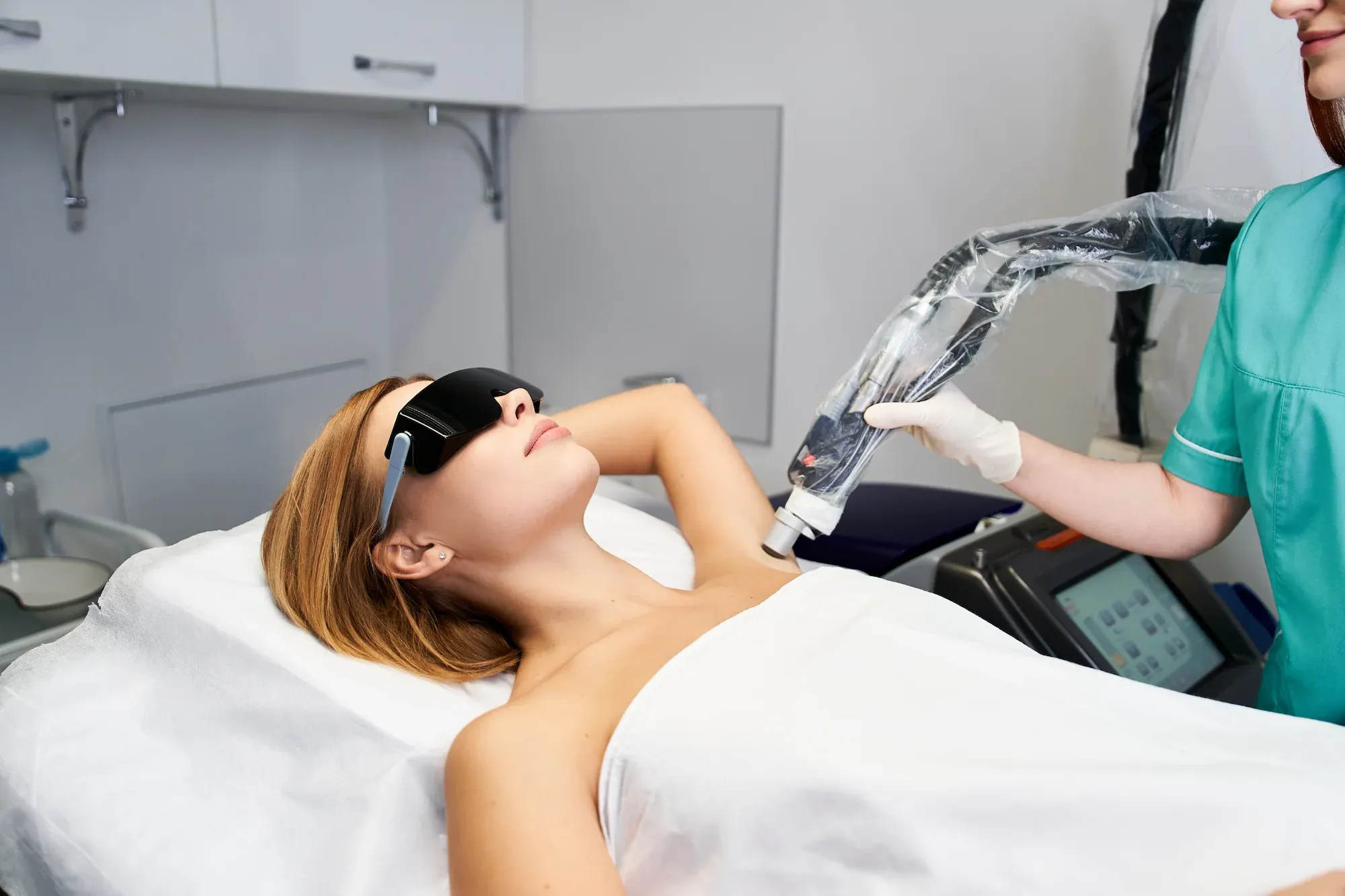
Laser hair removal targets the pigment ( melanin ) in each hair shaft with concentrated light energy. That light travels down the shaft, heats the hair follicle, and - when parameters are set correctly - disables its ability to produce new strands. Over multiple laser treatments…
Laser hair removal targets the pigment ( melanin ) in each hair shaft with concentrated light energy. That light travels down the shaft, heats the hair follicle, and—when parameters are set correctly—disables its ability to produce new strands. Over multiple laser treatments spaced four to six weeks apart, follicles in their active growth phase (anagen) are progressively damaged, leading to long-term hair reduction and, for many people, a virtually hair-free finish.
Because the laser zeroes in on melanin, both skin color and hair color matter. Coarse, dark hair sitting against lighter skin presents the highest contrast and, therefore, the easiest target. Modern laser technology can still treat darker skin tones, but it demands a different approach—mainly longer wavelengths (like the 1064 nm Nd:YAG laser) or cautious use of diode devices equipped with cooling tips and sophisticated pulse controls.
Can Laser Hair Removal Cause Skin Darkening?
Short answer: it can, but it usually shouldn’t—and when it does, the change is almost always temporary. The most common culprit is post-inflammatory hyperpigmentation (PIH), a normal response to heat or injury in which melanocytes release extra pigment in the treated area as the skin heals. PIH appears as flat dark spots or patches around the treated areaand can take weeks or months to fade.
The risk increases when:
- Energy settings are too aggressive for the client’s skin type.
- The patient arrives with an active tan or recent sun exposure.
- There is overlap between treatment passes, causing excess heat buildup.
- Proper cooling, gel, or motion techniques are skipped.
Actual burns, blisters, or scabs during laser hair removal treatments are rare in experienced hands, but can leave longer-lasting discoloration or even hypopigmentation (light spots) if they occur. Choosing a qualified provider, adequately preparing, and following after-care protocols dramatically reduce these side effects of laser hair removal.
Who Is Most at Risk for Hyperpigmentation?
Dermatologists classify complexions using the Fitzpatrick scale (Types I–VI). While any shade can develop PIH, the stakes differ:
| Fitzpatrick Type | Typical Tone | Relative PIH Risk |
|---|---|---|
| I – II | Very fair-fair | Low—laser energy easily targets hair without heating skin. |
| III – IV | Light olive to medium brown | Moderate—requires conservative settings and diligent sun avoidance. |
| V – VI | Dark brown to deep ebony | Higher—melanocytes are more reactive, so longer wavelengths (e.g., Nd:YAG) and expert technique are essential. |
Genetic predisposition to melasma, a history of ingrown hairs, chemical peels, microneedling, or active acne can further sensitize skin to pigment changes. Recent tanning, whether outdoor or via sunbed, compounds the danger by raising epidermal melanin levels.
Prevention: Your Pre- & Post-Treatment Game Plan
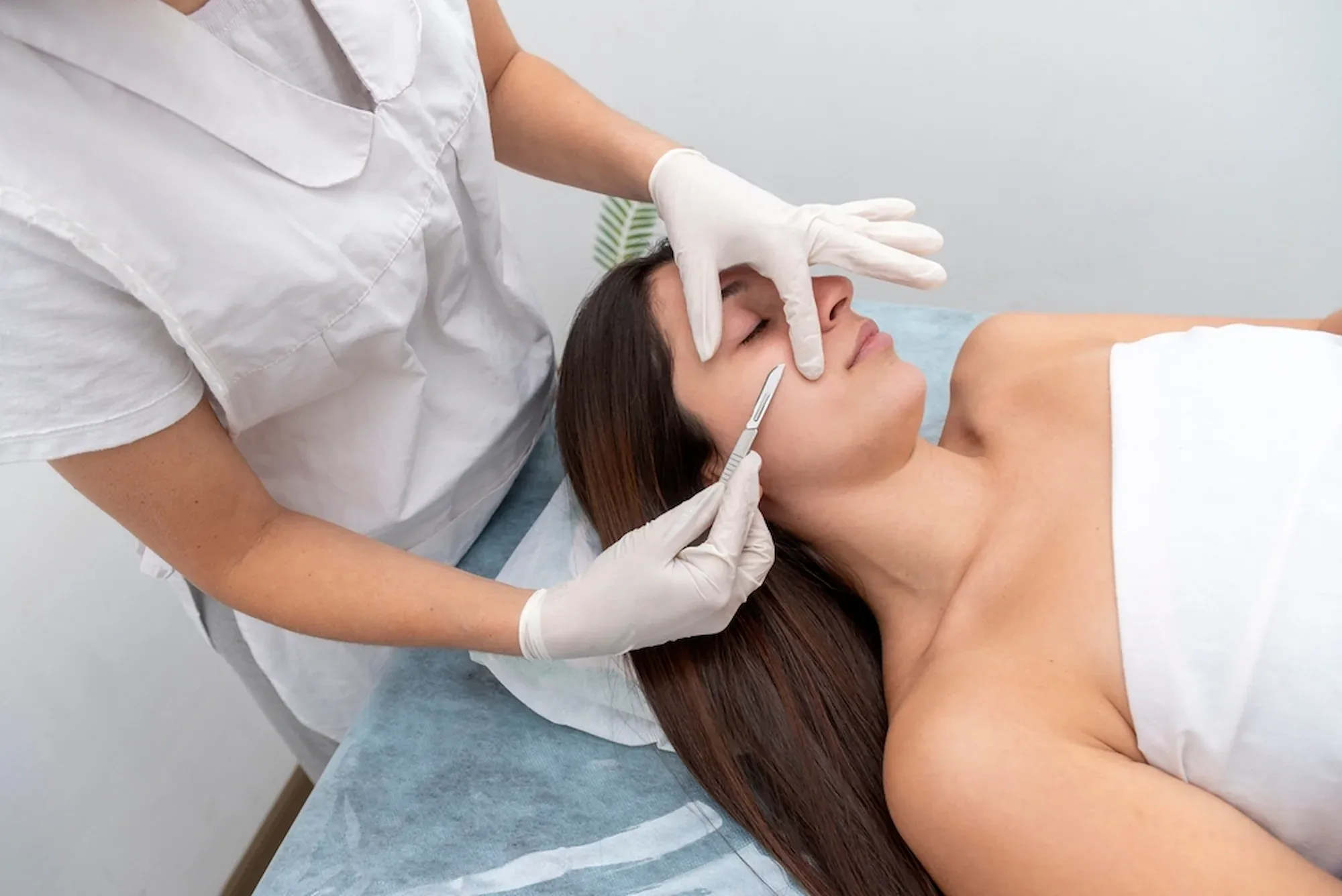
Book a consultation with a board-certified dermatologist or laser specialist. They will determine whether an Nd:YAG, alexandrite, or diode system best suits your complexion, hair density, and body zone (legs vs. underarms, bikini line, etc.).
Skip waxing, plucking, and electrolysis for at least four weeks. These methods remove the bulb of the unwanted hair the laser needs to target. Shaving is fine.
Shelve the self-tanner and avoid sunbathing for two to four weeks pre-session; fresh tans mislead the laser’s sensors and absorb extra heat.
Apply broad-spectrum SPF 30–50 sunscreen daily to exposed areas. Sunburned or tanned skin raises PIH odds exponentially.
Arrive with clean skin—no makeup, deodorant, or oils that can refract or intensify the beam.
After treatment:
- Use a cold compress or aloe gel to calm warmth in the treatment area.
- Stick to gentle skincare (fragrance-free cleanser, ceramide moisturizer).
- Avoid hot showers, saunas, vigorous workouts, or chemical peels for 24–48 hours.
- Continue daily sunscreen; ultraviolet exposure is the #1 reason pigmentation lingers.
Follow-up appointments every four to eight weeks allow the technician to adjust fluence and pulse width as your hair growth decreases, protecting skin while maximizing results.
Treatment Options for Darker Skin Tones
Nd:YAG Laser (1064 nm)
The gold standard for Types IV–VI, this long wavelength bypasses most epidermal melanin, homing in on deeper follicles with minimal surface trauma. Built-in cryogen or contact-cooling keeps the skin comfortable.
Diode Laser (810 nm)
Versatile for a wide range of tones, modern diode devices use scanning or in-motion techniques and sapphire tips to disperse heat, lowering PIH risk.
Alexandrite Laser (755 nm)
Super-effective for Types I–III with coarse dark hair but generally avoided on V–VI because of higher pigment absorption.
Ask your provider which types of lasers they use, how often they treat dark skin, and what safety record they maintain. In skilled hands, even deep complexions can achieve excellent clearance with negligible pigment change.
What If You Develop Dark Spots?
First, don’t panic; mild PIH is part of normal healing for some people. Take these steps:
- Stay out of the sun and double-down on that SPF. UV light locks in pigment.
- Apply topical brighteners like niacinamide, azelaic acid, licorice root, or 2–4% hydroquinone (under professional guidance).
- Schedule a review with your laser technician or a dermatologist to rule out burns or infection.
- Consider professional treatments—superficial chemical peels, low-energy microneedling, or light-based therapies—once the skin is fully healed (usually after six to eight weeks).
- Be patient. PIH often fades within three to six months; diligent care speeds removal, but picking or scrubbing will only prolong recovery.
Persistent or spreading discoloration warrants a dermatology visit for personalized prescriptions or procedures.
Other Potential Pigment Changes
- Hypopigmentation: Rare light spots occur when melanocytes are temporarily stunned by over-treatment. They often repigment over time but may be permanent in severe cases.
- Transient Erythema: Pinkness or mild swelling for a few hours is normal and not true hyperpigmentation.
- Paradoxical Hair Stimulation: Occasionally fine “peach-fuzz” hairs thicken after low-fluence passes; darker stubble can create the illusion of skin darkening until subsequent sessions clear it.
Frequently Asked Questions
Does laser hair removal cause permanent skin darkening?
Permanent PIH is extremely rare. When protocols suit your skin type and you avoid sun exposure, pigment changes fade.
Is tanning between sessions risky?
Yes. Fresh melanin absorbs heat, raising burn and PIH risk. Wait at least two weeks after natural or artificial tanning.
Can I lighten existing dark spots at home?
Yes—daily sunscreen plus OTC brighteners (vitamin C, alpha arbutin) help. Prescription hydroquinone or tretinoin from a dermatologist may accelerate fading.
What about using lasers on active melasma?
Melasma-prone skin can worsen with heat. Treat the melasma first and choose conservative fluence if proceeding with hair removal.
Is electrolysis safer for dark skin?
Electrolysis bypasses melanin and is safe for all tones but can be time-consuming and uncomfortable for large areas.
The Bottom Line: Does Laser Hair Removal Darken Skin?
Under the wrong conditions—incorrect settings, inexperienced operators, recent tanning—laser hair removal can trigger temporary hyperpigmentation. Yet when you:
- Consult a board-certified dermatologist or seasoned laser technician,
- Use technology tailored to your tone (such as an Nd:YAG for brown to deep complexions), and
- Follow strict pre- and post-treatment guidelines (especially sunscreen and sun avoidance),
the odds of noticeable, lasting darkening are very low.
For most people, the benefits—smooth skin, freedom from ingrown hairs, escape from endless waxing or plucking—far outweigh the manageable risk of pigment change. If you already battle PIH or have darker skin tones, choose a clinic that routinely treats patients like you and is transparent about its safety measures. A personalized treatment plan, patience across several sessions, and diligent at-home care will help ensure laser hair removal leaves you with only one noticeable change: beautifully hair-free skin. Contact us today and discuss the right treatment plan for you.