

Laser Hair Removal and Sun Exposure: What You Really Need to Know
Laser hair removal is a game-changer for anyone tired of the endless cycle of shaving, waxing and plucking. But while saying goodbye to unwanted hair feels amazing, there’s a not-so-glamorous detail you can’t ignore: sun exposure. If you’re planning a beach day or even just…
Laser hair removal is a game-changer for anyone tired of the endless cycle of shaving, waxing and plucking. But while saying goodbye to unwanted hair feels amazing, there’s a not-so-glamorous detail you can’t ignore: sun exposure. If you’re planning a beach day or even just running errands under the sun, you’ll want to read this first.
How Laser Hair Removal Works (In Plain English)
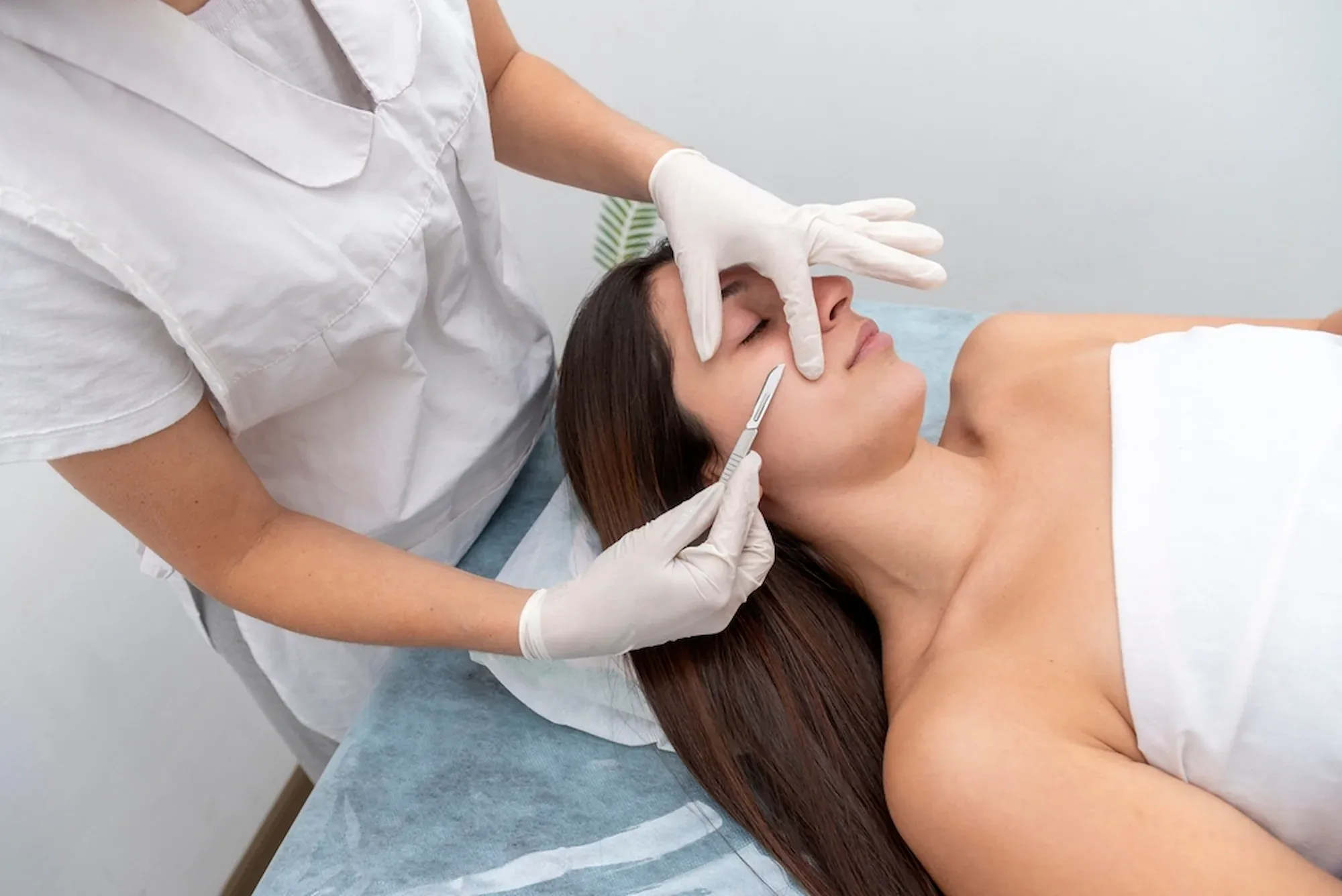
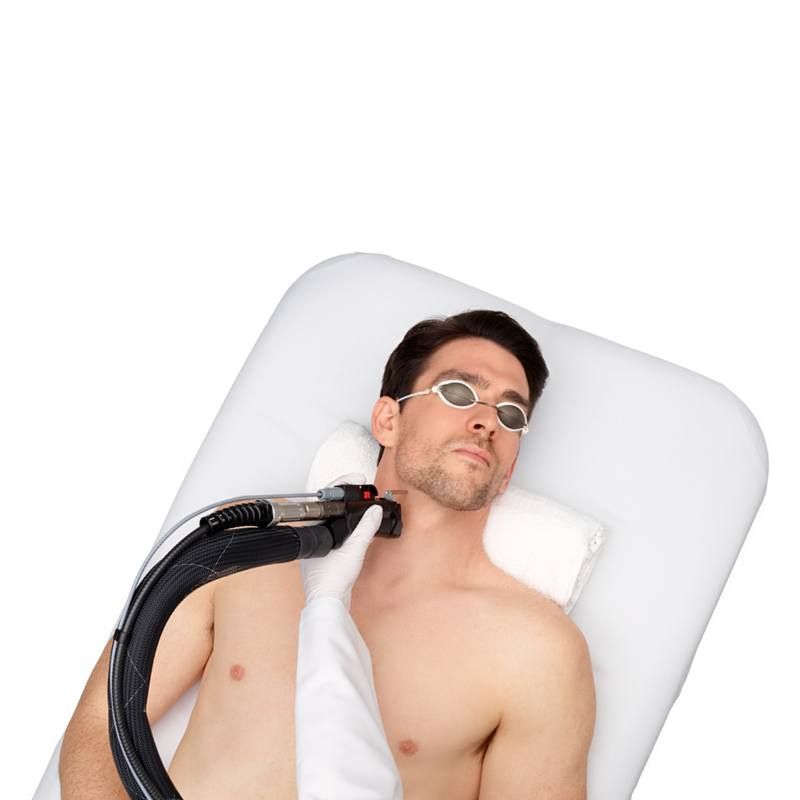
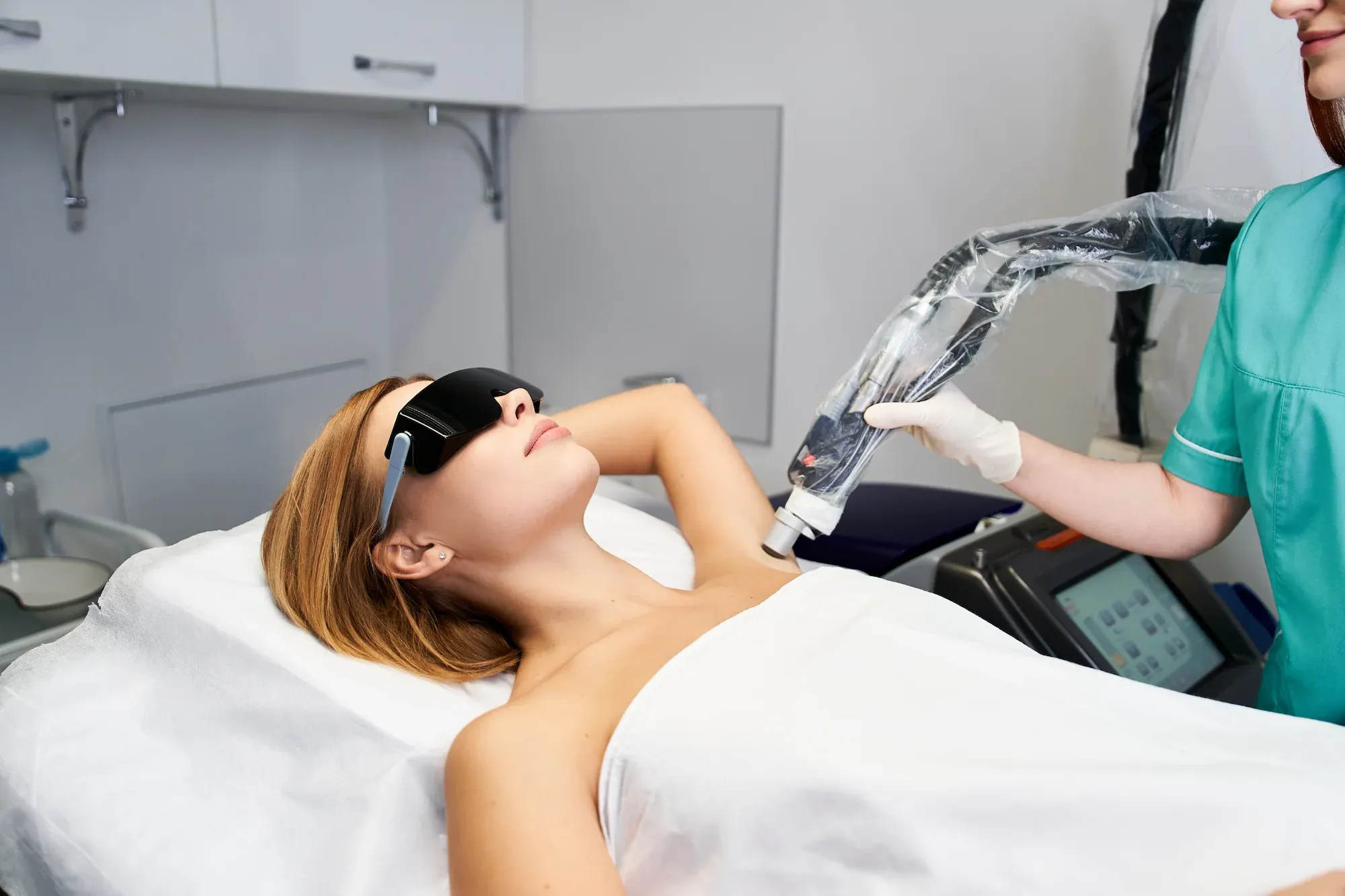
Laser hair removal treatments use light energy to target hair follicles. The laser is attracted to melanin, the pigment that gives your hair its color. The heat from the laser damages the follicle enough to slow or stop hair growth. After a few laser hair removal sessions, most people enjoy smooth, hair-free skin for months at a time.
But here’s the deal—lasers and sun exposure don’t exactly mix well.
Why You Should Avoid Sun Exposure Before and After Treatments
It’s not just a recommendation—it’s a rule: avoid sun exposure before and after your treatments. Here’s why:
- Tanning, whether from natural UV rays or tanning beds, increases melanin in the treatment area. More melanin means more heat absorption, which can lead to skin damage, burns or even hyperpigmentation.
- Sunburned or recently tanned skin is extra sensitive and lasers only make that worse.
- Lasers can’t distinguish between natural pigment and a tan. This ups the risk of side effects, especially for those with darker skin.
Translation? A tan might delay your session or make you a poor candidate until your skin returns to its natural tone.
Sunscreen: Your Laser Hair Removal MVP
If you’re serious about getting the most out of your laser hair removal treatments, then sunscreen is your new best friend. Not just any sunscreen—look for broad-spectrum coverage with at least SPF 30.
Why broad-spectrum? Because it protects against both UVA and UVB rays—the harmful UV rays responsible for premature aging, sunburn and skin damage.
Even on cloudy days, those UV rays are still working against your skincare goals. So wear sunscreen every day and reapply every two hours, especially if you’re sweating or swimming.
What to Wear (Yes, It Matters)
Think of your outfit as part of your aftercare routine. The more you cover up, the better you protect your treated skin. Here are a few wardrobe essentials to stock up on:
- Wide-brimmed hat: Shields your face, neck and chest from direct sunlight
- Long sleeves and flowy pants: Bonus points if they’re light-colored to reflect heat
- Protective clothing with built-in SPF: Yes, it’s a thing and it works
This is especially key if you’re getting treated on areas that are hard to hide, like arms or legs.
Timing Is Everything
The golden rule? Avoid direct sun exposure for at least two weeks before and after each session. If you’re planning a tropical vacation or you’ve been hitting up the tanning beds, you’ll need to wait.
Some providers will even recommend scheduling your laser hair removal in the fall or winter when sun exposure is naturally lower. That way, your treatment plan stays on track, and your results are more predictable.
What About Spray Tans and Self-Tanners?
Sorry, but those are off-limits too. Even though they don’t expose you to UV rays, the pigment can still confuse the laser, making the treatment less effective and increasing your risk of side effects. Make sure any bronzing lotions or creams are fully cleared from your skin well in advance of your appointment.
Keeping the Treated Area Calm and Happy
Post-treatment aftercare is your chance to really lock in those results. Here’s what your treated area needs:
- A good moisturizer to soothe irritation
- Cooling lotions or aloe-based creams
- Absolutely no hot tubs, saunas or workouts that cause friction for at least 24 hours
- Skip waxing or plucking between sessions—stick to shaving if you need to remove body hair
And of course, continue to use sunscreen daily on all exposed areas, not just the ones that were treated.
What Happens If You Ignore These Guidelines?
If you skip sun protection or show up to your session with a fresh tan, here’s what you’re risking:
- Hyperpigmentation or uneven skin tone
- Blistering or scarring
- Delayed healing or increased sensitivity
- Having your session rescheduled (yes, really)
Laser hair removal is one of those treatments where prep and follow-through make a huge difference. Taking shortcuts only slows down your results.
Is Laser Hair Removal Safe for All Skin Types?
Thanks to recent advancements in dermatology and IPL technology, laser hair removal is now more accessible for different skin types, including darker skin. But the rules around sun exposure still apply—maybe even more so. Melanin-rich skin can be more reactive to both the laser and the sun.
That’s why finding a qualified provider who understands how laser hair removal works on various tones is key. They’ll tailor your settings and plan based on your unique needs.
Let’s Talk About Combining Treatments
If you’re already visiting us for laser hair removal, you might be tempted to bundle it with other treatments like microneedling or a Hydrafacial. Totally fine—as long as your provider spaces out the appointments and follows safety protocols.
Just don’t mix sun-damaged skin with skincare treatments. If your face is red or irritated from a burn, wait it out.
What to Expect Between Sessions
Between laser hair removal sessions, it’s normal for some areas to respond faster than others. Hair cycles vary, so results can appear uneven at first. Some people experience minor itching or flaking as the skin renews itself, especially in drier climates. If you notice tiny black dots under the skin, don’t worry—that’s often shed hair making its way out. Avoid retinoids or harsh acids in the treatment area during this time, as they can increase sensitivity. Your provider may adjust the settings as you progress, so each visit continues to align with your evolving skin and hair needs.
FAQs
Can I exfoliate before my laser hair removal session?
Yes, but timing matters. Gently exfoliate the treatment area a few days before your session to remove dead skin cells and allow better laser penetration. Avoid exfoliating within 24 hours of your appointment to prevent irritation.
Is laser hair removal safe for tattooed skin?
No, laser hair removal should not be performed directly over tattoos. The laser can’t distinguish between the pigment in tattoos and the melanin in hair, which can lead to burns, blisters, or permanent skin damage in the inked area.
How do I know if I’m a good candidate for laser hair removal?
A consultation with your provider is the best way to determine if this treatment fits your skin type, hair color, and goals. Factors like medications, underlying dermatology conditions, or hormonal imbalances may influence your treatment plan or require alternative options.
Final Thoughts: Stay Shady and Hair-Free
The sun might feel great in the moment, but if you’re investing in laser hair removal, protecting your skin is part of the deal. Sun protection isn’t just a summer trend—it’s a year-round commitment that helps you get optimal results and maintain smooth, healthy skin.
So pack your wide-brimmed hat, slather on your SPF 30 and enjoy the process. After all, clear, confident skin is the real glow-up.
Book your laser hair removal session today and start your journey to smoother skin—with smart sun protection every step of the way.