

Understanding Laser Hair Removal: What to Expect After Your First Session
Laser hair removal has become a popular method for achieving hair-free skin, offering a long-term solution to unwanted hair. Whether you’re tired of waxing, plucking, or using creams, understanding what to expect from your first laser hair removal session can help you manage…
Laser hair removal has become a popular method for achieving hair-free skin, offering a long-term solution to unwanted hair. Whether you’re tired of waxing, plucking, or using creams, understanding what to expect from your first laser hair removal session can help you manage expectations and ensure you are well-prepared for the journey to smoother skin.
Laser Hair Removal: A Breakdown of the Process
Laser hair removal works by targeting hair follicles with concentrated light energy. The pigment (melanin) in the hair absorbs this light, which damages the follicle and inhibits future hair growth. This process is particularly effective for those with dark hair and lighter skin tones, although advancements in technology have made it possible to treat a broader range of skin types and hair colors.
The laser targets the melanin in the hair, which is why individuals with dark hair and light skin typically see the best results. However, newer technologies can also effectively treat individuals with darker skin tones and lighter hair colors. The procedure is safe for various areas of the body, including the underarms, bikini line, legs, back, and even the upper lip.
What to Expect During Your First Laser Hair Removal Session
During your first laser hair removal session, you can expect several steps:
- Consultation: A consultation with a licensed technician at a med spa will determine your suitability for the treatment. They will assess your skin tone, hair color, and discuss any prior hair removal methods you’ve used.
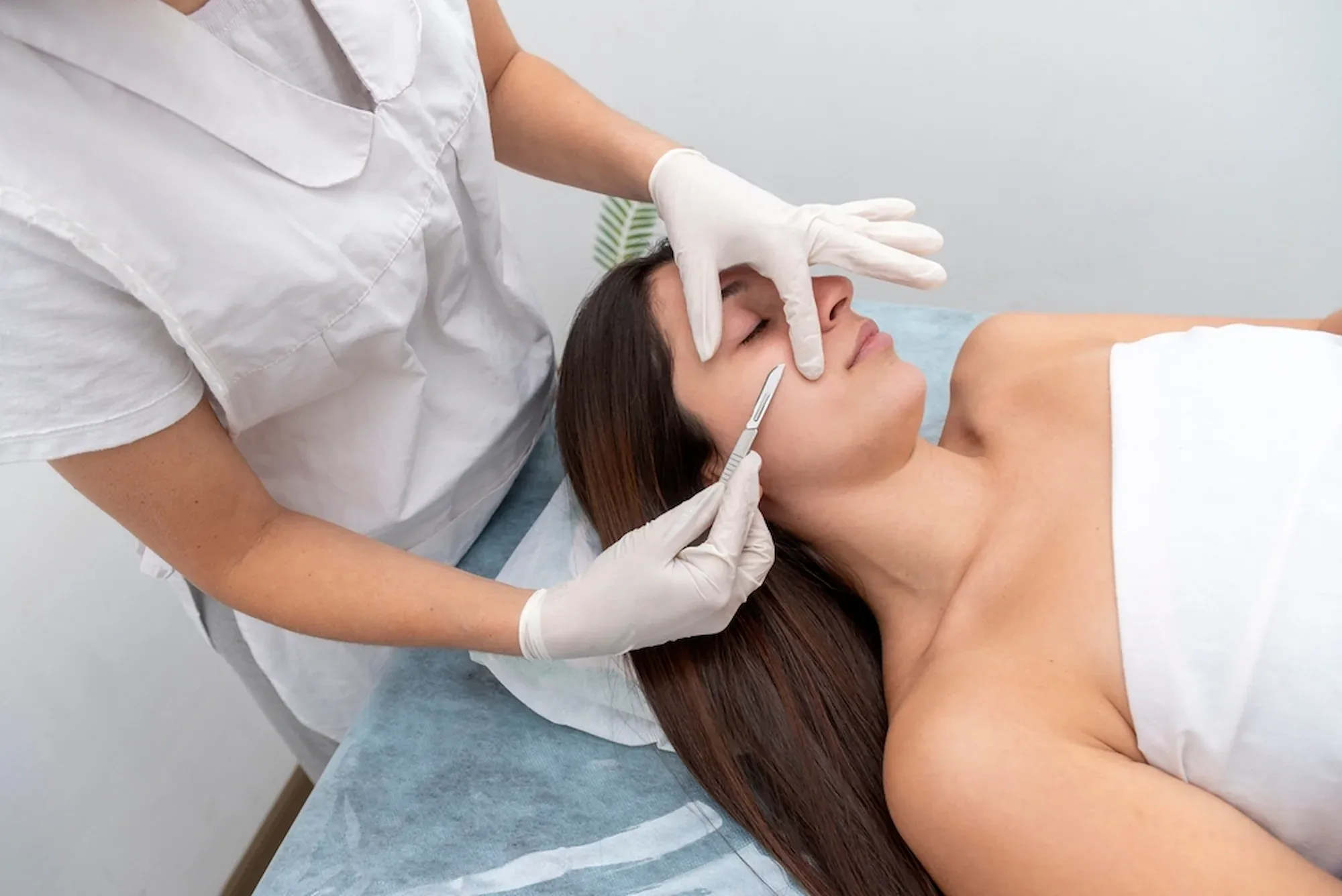
- Preparation: The treatment area will be cleaned, and you may be asked to shave the area a day or two before the session to avoid skin irritation. It’s important not to wax or pluck the hair before your session, as these methods remove the hair follicle that the laser targets.
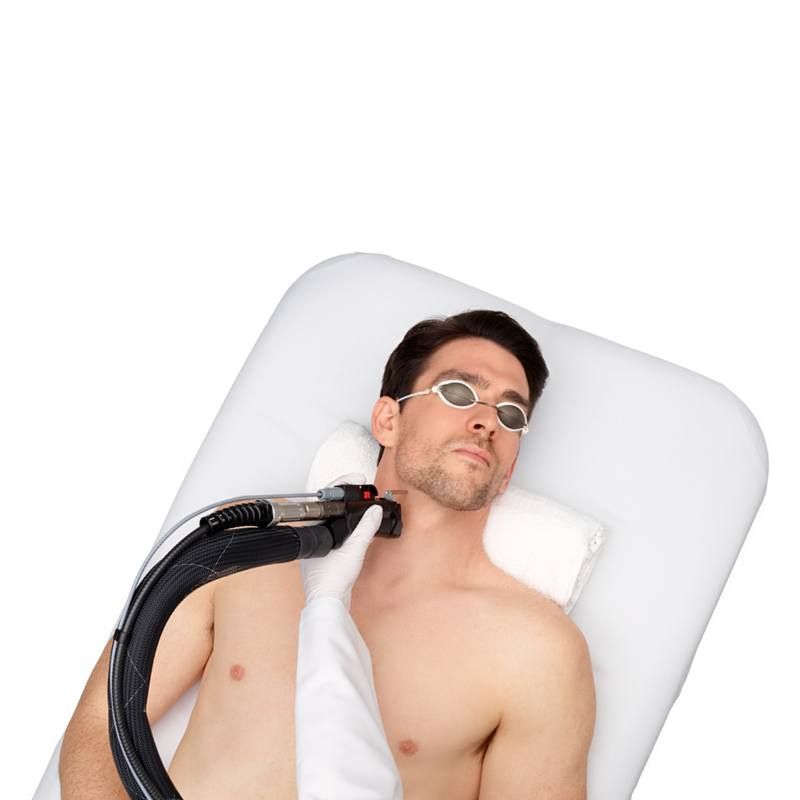
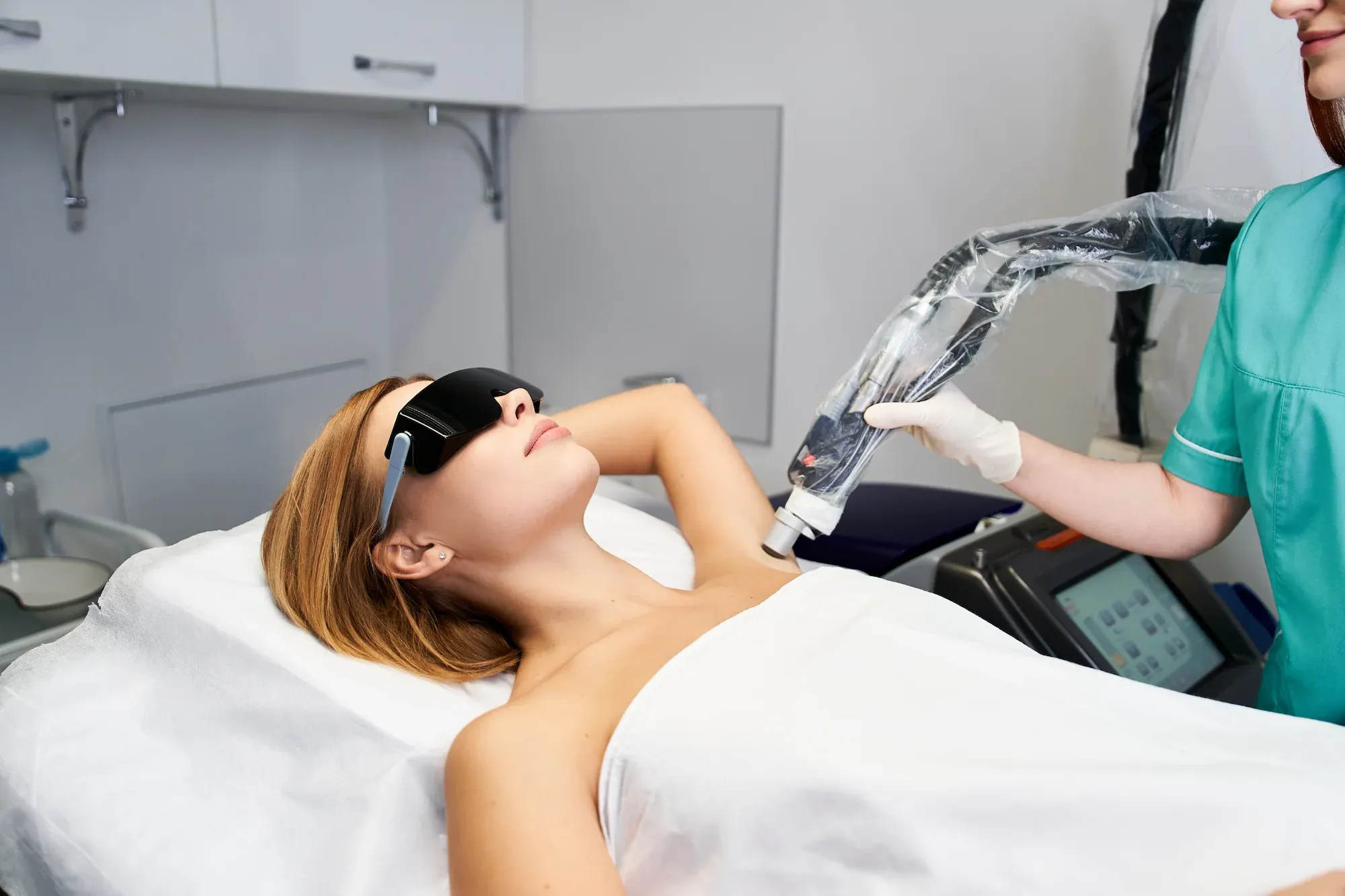
- Treatment: The technician will use a handheld laser device to target the hair follicles in the treatment area. The session duration varies depending on the size of the area being treated, from a few minutes for the upper lip to an hour for larger areas like the back or legs. The laser emits pulses of light that can be adjusted to suit your skin type and hair color, ensuring maximum effectiveness and safety.
- Pain Level: Many describe the sensation as a rubber band snapping against the skin, but this can vary depending on your pain tolerance and the treatment area. Some med spas offer numbing creams to minimize discomfort. The pain level is generally mild, and any discomfort experienced during the procedure typically subsides quickly.
Post-Session Results and Recovery
Immediately after the first session, you may notice some redness and swelling in the treated area, similar to a mild sunburn. These side effects are temporary and typically subside within a few hours to a couple of days. It’s essential to follow post-treatment care instructions to ensure optimal results and minimize any adverse reactions:
- Skincare: Apply aloe vera or prescribed creams to soothe the skin and reduce irritation. Keeping the treated area moisturized helps to calm the skin and prevent dryness and irritation.
- Avoid Sun Exposure: Use sunscreen to protect the treated area from sun exposure, which can cause pigmentation changes. Avoid tanning beds and direct sun exposure for at least two weeks after each session.
- No Waxing or Plucking: Avoid waxing or plucking hair between sessions as these methods can interfere with the hair growth cycle and the effectiveness of the laser treatment. Shaving is the preferred method for removing hair between treatments.
- Avoid Heat and Friction: Steer clear of hot showers, saunas, and tight clothing that might irritate the treated area for at least 48 hours post-treatment.
Monitoring Progress: How to Tell if Laser Hair Removal is Working
After the first session, you may not see immediate results, as the hair growth cycle varies. However, signs that indicate the treatment is working include:
- Shedding: Treated hairs may begin to fall out within a few days to weeks post-treatment. This shedding is a sign that the laser has effectively targeted the hair follicles.
- Reduced Hair Growth: You may notice slower hair regrowth and smoother skin in the treated area. The hair that does grow back will often be finer and lighter.
- Patchiness: Initial results may show patchy hair growth, indicating that the laser has successfully targeted some follicles while others may still be in different growth phases.
It is essential to understand that laser hair removal requires multiple sessions to target hair in different growth phases for optimal results. Patience and consistency with your treatment schedule are key to achieving the best outcomes.
Before and After: Comparing Results After One Session
While significant changes may not be immediately visible after the first session, you may observe improvements in hair texture and density. Before and after images can help illustrate the impact of a single laser hair removal session. Typically, the hair in the treated area will be finer and less dense, with some patches experiencing slower regrowth.
Seeing visual comparisons can be encouraging and help you track your progress. Many people take photos before and after each session to monitor the changes in their hair growth and skin texture.
Managing Expectations: How Long Does it Take for Laser Hair Removal to Work?
Achieving desired results with laser hair removal requires patience and multiple treatment sessions. The number of treatments needed varies based on several factors:
- Hair Color and Skin Type: Those with dark hair and lighter skin tend to see quicker results due to the contrast in pigment. However, newer laser technologies can also effectively treat individuals with darker skin tones and lighter hair colors.
- Treatment Area: Areas with thicker hair, like the underarms and bikini line, may require more sessions. Conversely, areas with finer hair, such as the upper lip, may achieve results more quickly.
- Growth Phase: Since hair grows in cycles, multiple sessions are necessary to target hair in the active growth phase (anagen phase). The anagen phase is when the hair is actively growing and contains the most melanin, making it the most responsive to laser treatment.
On average, most individuals require 6-8 treatment sessions spaced 4-6 weeks apart to achieve significant hair reduction. Consistency is crucial, as missing sessions can delay progress and reduce the effectiveness of the treatment.
Conclusion
Laser hair removal offers a promising solution for permanent hair reduction and achieving hair-free skin. By understanding the process and managing expectations, you can make informed decisions and prepare adequately for your first session. Consulting with a dermatologist or professional at a med spa can provide personalized advice and ensure that you receive the best possible care.
For those considering this treatment, it’s crucial to remember that results vary, and patience is key. With proper care and adherence to post-treatment instructions, you can look forward to smoother, less hairy skin in the long run.