
Laser Hair Removal Maintenance: How Often Should You Schedule Touch-Up Sessions?
If you have invested in laser hair removal, you probably love the smooth skin and freedom from constant shaving or waxing. But here’s the question that always comes up after the initial treatment plan is complete: how often should you schedule touch-up sessions? Laser hair…
If you have invested in laser hair removal, you probably love the smooth skin and freedom from constant shaving or waxing. But here’s the question that always comes up after the initial treatment plan is complete: how often should you schedule touch-up sessions? Laser hair removal is not just a one-and-done process. Because of the natural hair growth cycle and factors like hair type, skin tone, and even hormonal changes, maintenance sessions are a key part of staying hair-free for longer periods.
Let’s break it all down so you know exactly what to expect when it comes to touch-ups, regrowth, and keeping unwanted hair at bay.
Why Touch-Ups Are Necessary
Laser hair removal works by targeting the melanin in hair follicles with concentrated laser energy. The heat damages the follicles during the active growth phase, also called the anagen phase, which is when the hair is most vulnerable. Since not every hair grows at the same time, you need a number of treatments to catch as many hairs in that growth phase as possible.
Even after your initial sessions, new hair can appear due to hormonal changes or simply because hair follicles shift through the resting phase and cycle back to growth. Touch-up sessions help zap those new hair sprouts and maintain your smooth results.
Understanding the Hair Growth Cycle
To really understand why maintenance sessions matter, you need to know how hair grows. The hair growth cycle has three main phases:
- Anagen phase (active growth phase): This is when hair follicles are producing new hair. Laser hair removal treatments are most effective during this stage.
- Catagen phase (transitional phase): Hair stops growing but is still attached to the follicle.
- Telogen phase (resting phase): The hair falls out and the follicle rests before producing new hair again.
Since not all hairs are in the same phase at once, regrowth is expected. That’s why touch-up sessions are designed to catch the stragglers.
Initial Treatment vs Maintenance Sessions
During your initial treatment plan, you usually need 6 to 8 laser sessions spaced a few weeks apart. These initial sessions are all about hitting the maximum amount of hair follicles while they are in the active growth phase.
Once you have completed your initial treatment, you will enjoy a dramatic level of hair reduction. Still, maintenance sessions are necessary to stay ahead of new hair growth. Think of it like tuning up your car: you do the big work upfront, then keep things running smoothly with routine care.
How Often Do You Need Touch-Up Sessions?
The frequency of touch-up sessions varies based on your hair type, skin type, and the area of the body being treated. On average, most people schedule maintenance sessions every 6 to 12 months.
For areas like the underarms or bikini line where hair grows quickly and hormonal changes have a strong influence, you might need touch-ups a little more often. On the other hand, full-body or leg treatments may only need touch-ups once a year because body hair there grows more slowly. Facial hair can be tricky since new hair often pops up due to hormones, so more frequent touch-ups may be recommended.
Factors That Influence Regrowth
Not all regrowth is created equal. The amount of hair and how fast it grows back can depend on:
- Hair type: Coarse, dark hair absorbs laser energy better than fine, light hair.
- Hair color: Dark hair responds best because it has more melanin, while blonde, red, or gray hairs can be more stubborn.
- Skin tone: Advances in laser technology make treatments safe for a wide range of skin tones, but your skin type may influence how many sessions you need.
- Hormonal changes: Pregnancy, menopause, or medical conditions can trigger new hair growth.
- Area of the body: Underarms, legs, and facial hair often require different maintenance schedules.
Your provider will customize a treatment plan for your unique situation.
Comparing Maintenance Sessions to Waxing
One of the biggest advantages of laser hair removal maintenance sessions is the convenience. With waxing, you deal with the hassle of letting body hair grow out, enduring pain, and dealing with sensitive skin after every appointment. Laser touch-up sessions are quicker, less messy, and provide longer-lasting smooth skin.
While waxing only removes the visible hair, laser hair removal targets the follicle itself, leading to real hair reduction over time.
What to Expect During a Touch-Up
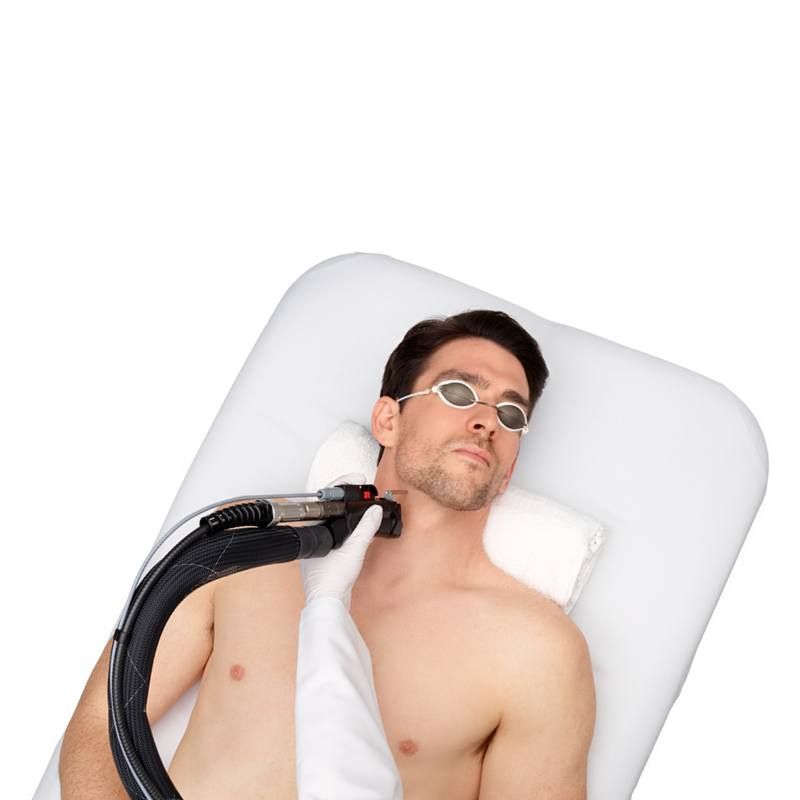
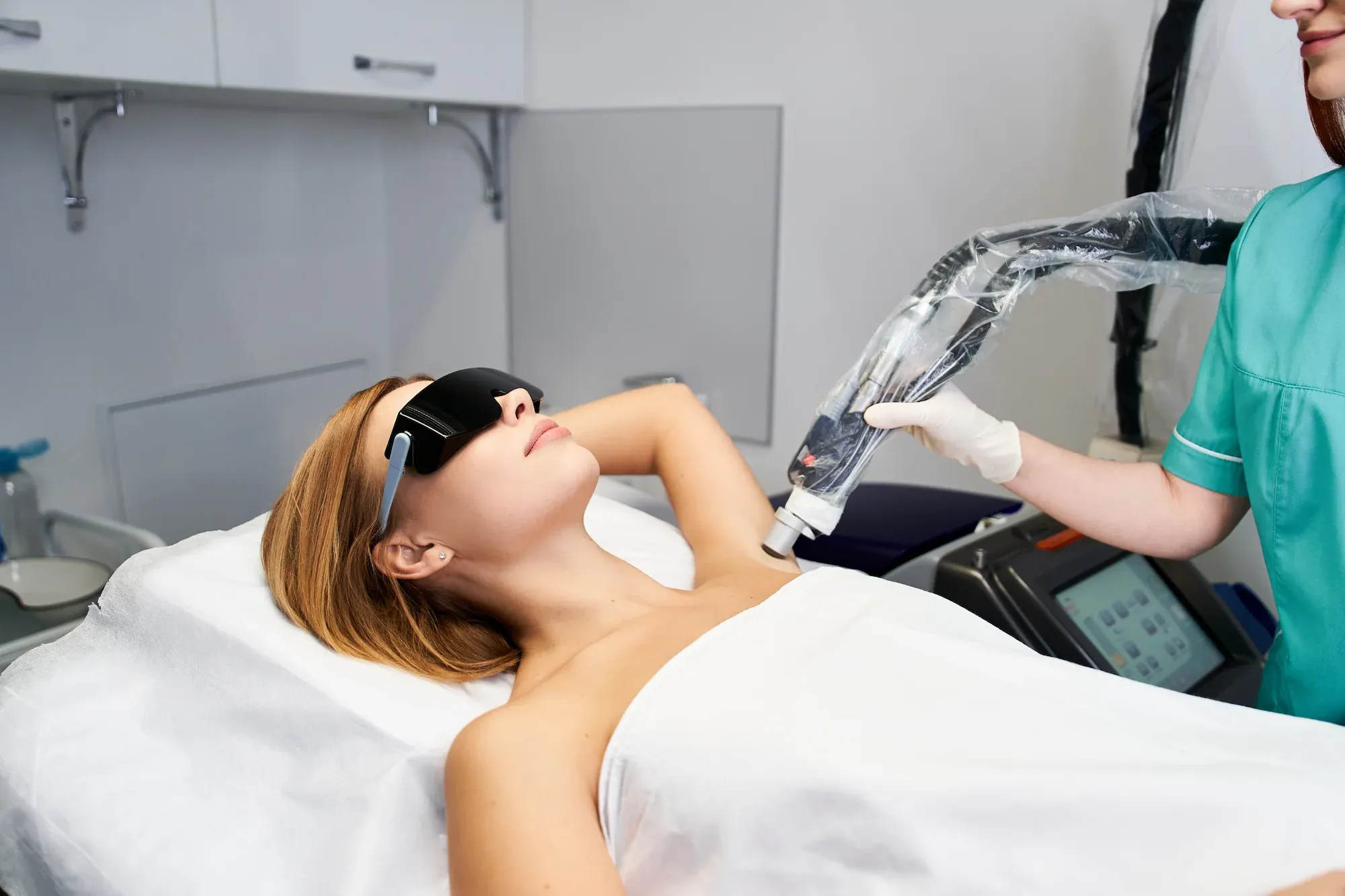
A touch-up session is very similar to your initial treatment, only shorter since there is less hair to target. The laser energy will focus on the treated area where new hair is visible. Depending on the area of the body, your appointment could take just a few minutes for underarms or longer for full-body treatments.
Mild side effects like redness or slight sensitivity can happen, but they fade quickly. Compared to the hassle of shaving or waxing, the recovery is minimal.
How to Prepare for Maintenance Sessions
Before a touch-up session, avoid waxing or plucking, since you want the laser to target the hair follicles directly. Shaving is fine because it keeps the hair root intact. Stay out of direct sun exposure for at least two weeks before your appointment to protect your skin and reduce side effects.
If you have sensitive skin, let your provider know so they can adjust your treatment plan.
Long-Term Results and Best Practices
With consistent maintenance, you can enjoy smooth skin with minimal regrowth. The number of treatments you need in the long run depends on your hair growth cycle and other factors, but most clients report that each year requires fewer and fewer touch-ups.
The goal is not just hair reduction, but longer periods of being hair-free and reducing the hassle of constant grooming. Following your provider’s instructions and keeping up with your treatment sessions will give you the best results.
Common FAQs About Laser Hair Removal Maintenance
How many touch-up sessions will I need?
Most people need one or two touch-up sessions a year, but the number of treatments depends on your hair type, skin tone, and the treated area.
Is regrowth thicker after laser hair removal?
No. When hair regrows, it is usually finer and lighter. Over time, the amount of hair decreases significantly.
Can I do laser hair removal on sensitive skin?
Yes. Providers can adjust the laser energy to suit sensitive skin. You may notice mild side effects, but they fade quickly.
Does sun exposure affect maintenance sessions?
Yes. Too much sun before treatment can increase risks of side effects. Always avoid tanning before your laser sessions.
What makes laser better than waxing for long-term results?
Waxing only removes hair at the surface. Laser hair removal treatments target hair follicles, giving you smoother, longer-lasting results.
Laser Hair Removal Technology at Radiant Laser
At Radiant Laser, we use the Elite iQ by Cynosure, one of the most advanced devices available for laser hair removal treatments. The Elite iQ is a dual-wavelength Alexandrite and Nd:YAG laser, which means it delivers powerful and precise laser energy that safely targets hair follicles across a wide range of skin types. By combining these two wavelengths, the device can adapt to different skin tones and hair colors while still focusing on the melanin in the follicle for safe and effective hair reduction.
What sets the Elite iQ apart is its Skintel technology, the only FDA-cleared melanin reader that measures your skin tone in real time. This allows your provider to create a personalized treatment plan that maximizes results while minimizing side effects. The device is designed for speed, comfort, and accuracy, making it the best option for achieving smooth skin with fewer treatment sessions. Whether you are treating facial hair, underarms, or full-body areas, Elite iQ ensures you get the safest and most effective laser sessions every time.
Complementary Treatments We Offer
Laser hair removal is just one way to achieve smooth, radiant skin. To help you maximize your results and maintain your glow, we also offer treatments that work beautifully alongside your laser sessions.
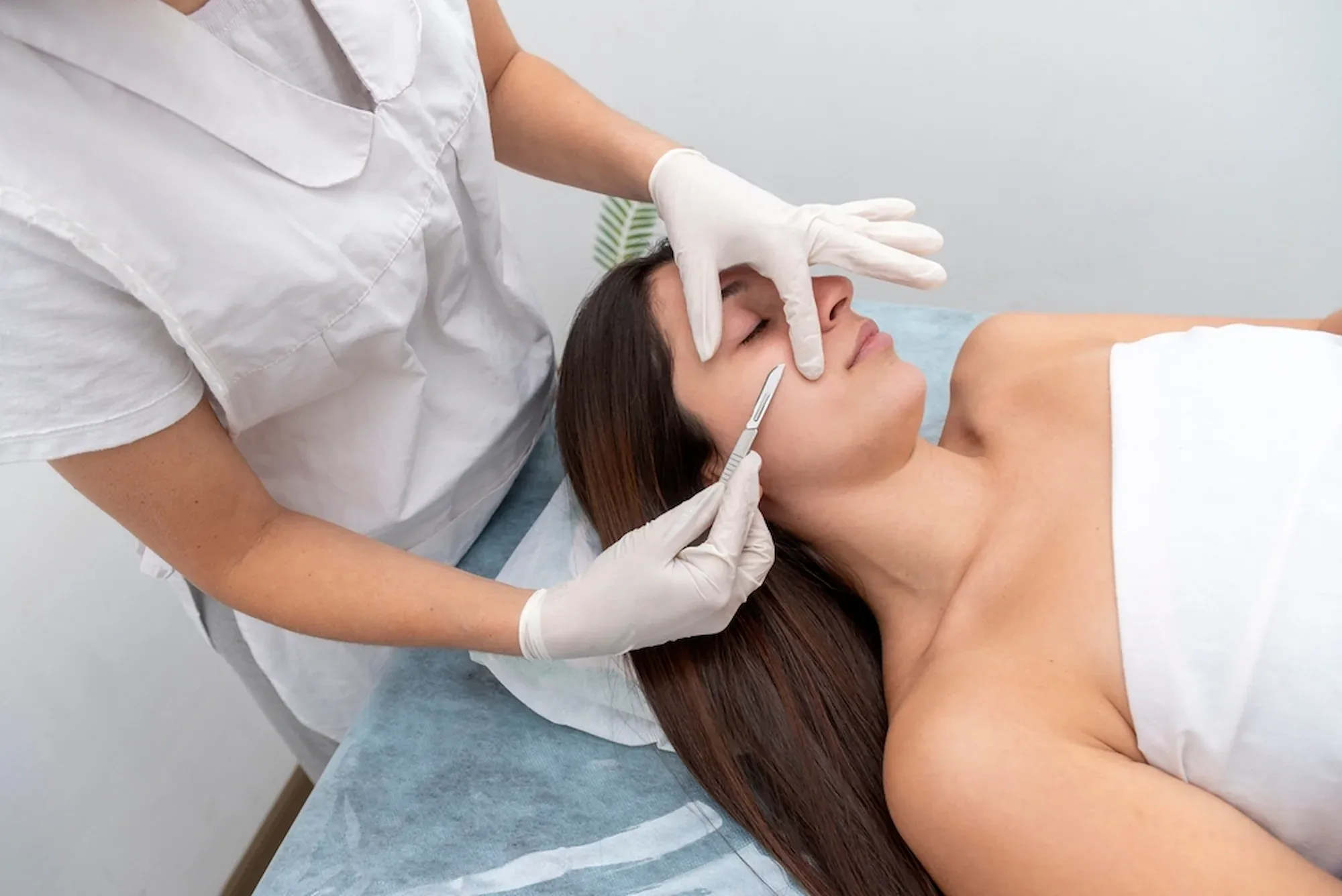
- Dermaplaning: A gentle exfoliation treatment that removes dead skin cells and fine facial hair, leaving skin brighter and smoother.
- Microneedling: A collagen-stimulating procedure that improves texture, minimizes scars, and promotes overall skin rejuvenation.
- Hydrafacial: A deeply hydrating and cleansing facial that infuses serums while extracting impurities for refreshed, glowing skin.
Final Thoughts
Laser hair removal is one of the most effective ways to reduce unwanted hair and enjoy smooth skin with minimal hassle. While the initial sessions give you a huge boost in hair reduction, maintenance sessions are the secret to staying hair-free for the long haul.
Every treatment area is different, and your provider will help create a treatment plan that matches your hair growth cycle, skin type, and long-term goals. With the right number of sessions, you can enjoy longer periods of confidence and convenience without worrying about constant regrowth.
Ready to keep your smooth results shining? Book your touch-up sessions today and stay ahead of hair regrowth. Whether you need a quick underarms refresher or a full-body maintenance plan, our team is here to help you enjoy your best results with ease.