
Laser Hair Removal Myths Debunked: Separating Fact from Fiction
Laser hair removal has become one of the most popular hair removal methods for people who want smoother skin and a long-term solution for unwanted hair. Despite its success, there are still many misconceptions that keep potential clients unsure about whether this approach is…
Laser hair removal has become one of the most popular hair removal methods for people who want smoother skin and a long-term solution for unwanted hair. Despite its success, there are still many misconceptions that keep potential clients unsure about whether this approach is right for them. Misinformation about skin types, hair types, side effects, and results has created confusion, especially as laser technologies continue to improve. This guide breaks down common myths and explains what modern laser hair removal treatments really offer so you can make confident and informed choices.
Introduction to Laser Hair Removal
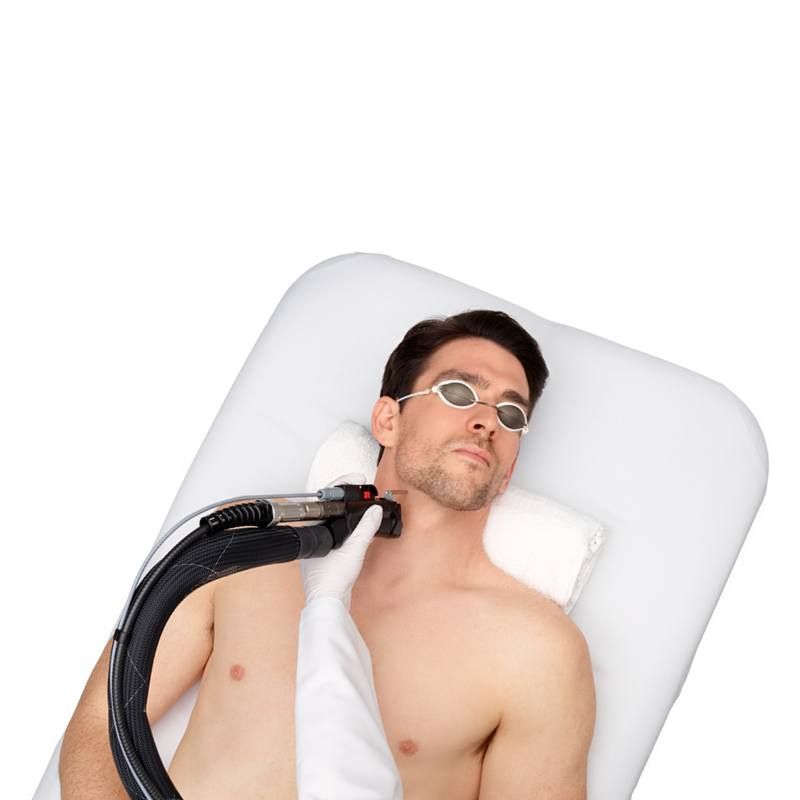
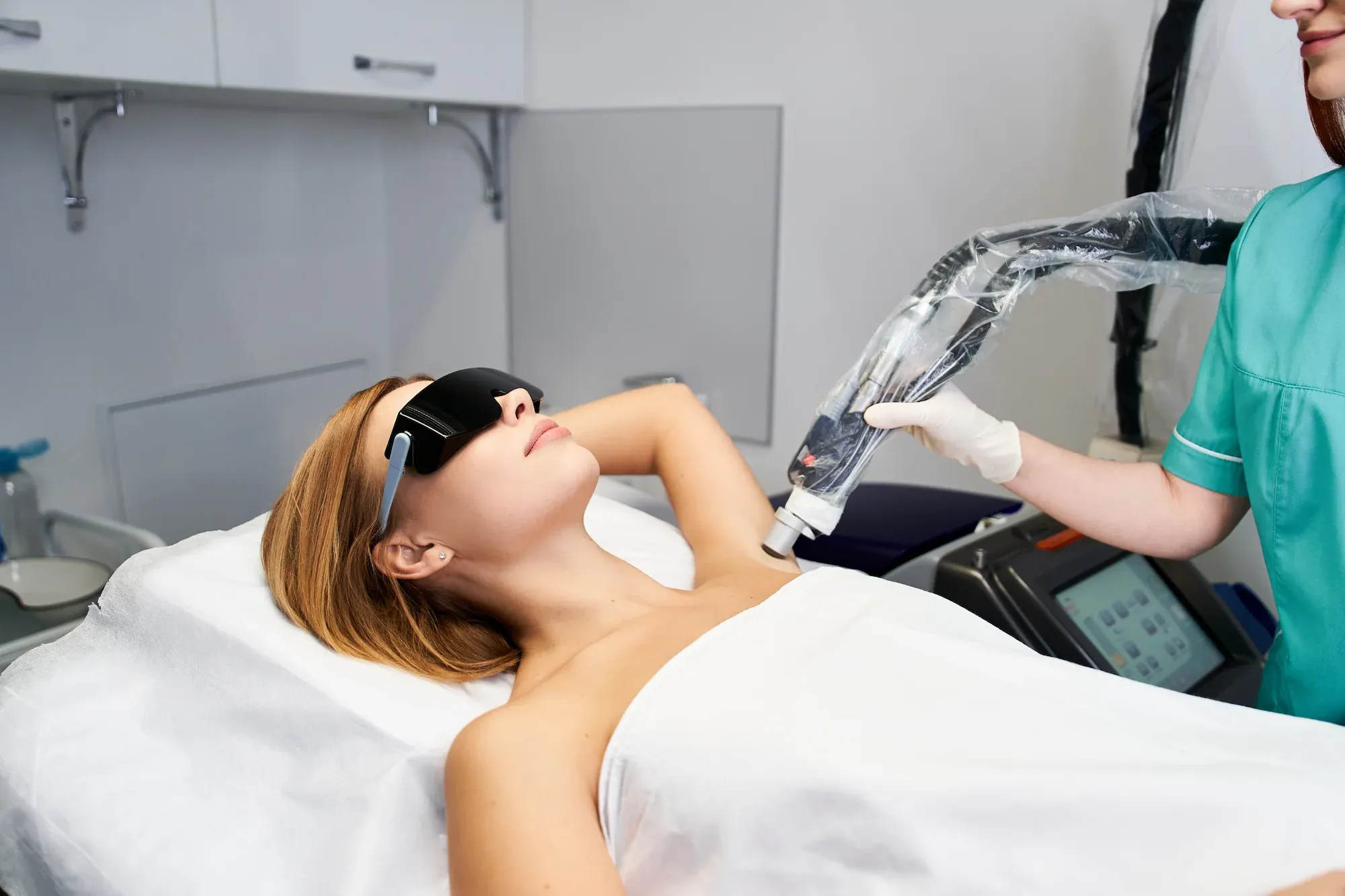
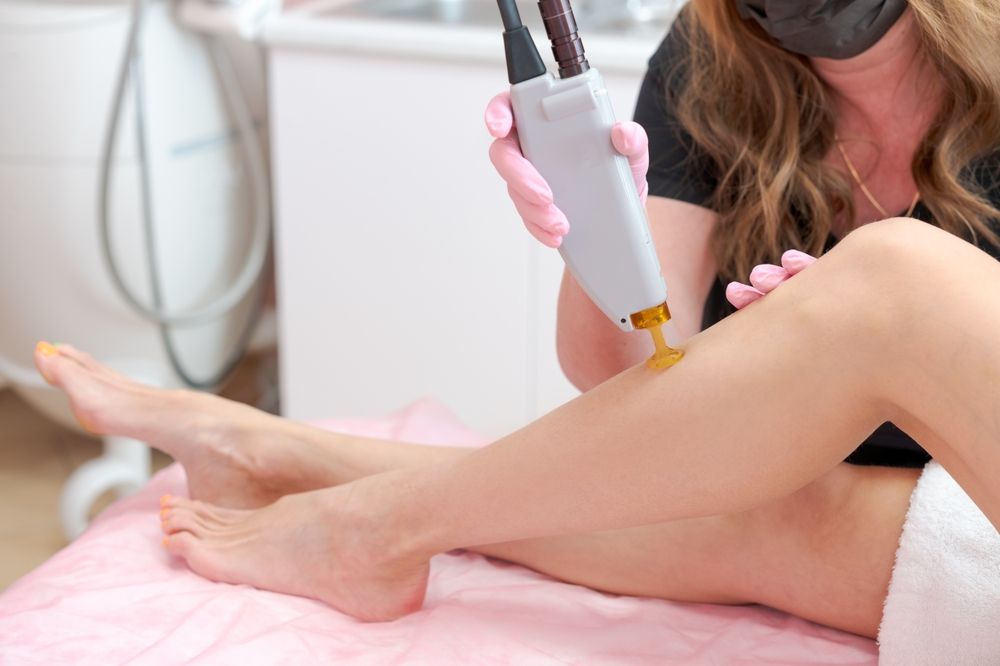
Laser hair removal uses concentrated light energy to target hair follicles while protecting the surrounding skin. The goal is long-term hair reduction and smoother skin with far less upkeep than traditional hair removal methods like shaving or waxing. Dermatology clinics and medspas often recommend this treatment for areas such as the legs, underarms, bikini line, face, and back. Although highly effective, a range of common myths still circulate and prevent many from exploring this safe and reliable treatment. Understanding the facts can help you determine whether laser hair removal works for your skin type, hair color, and personal goals.
Common Myths About Laser Hair Removal
Myth 1: Laser Hair Removal Works the Same for Every Skin Type and Hair Type
One of the most common misconceptions is that laser hair removal works universally for all skin tones and hair colors. Earlier laser systems were limited because they primarily targeted the melanin in dark hair against light skin. This created challenges for darker skin tones and lighter hair colors. Thanks to advancements in laser technology, modern devices can now treat a broader range of skin types, including dark skin and sensitive areas. While dark hair still responds best due to higher melanin levels, advanced lasers can safely treat a wider combination of hair types and skin tones. A knowledgeable provider will recommend the correct laser systems and treatment plan based on your individual needs.
Myth 2: Laser Hair Removal Is Extremely Painful
A common myth suggests the treatment feels unbearable, but the reality is much gentler. Many clients describe the sensation as a quick snap similar to a rubber band on the skin. Modern laser systems include built-in cooling systems that protect the surrounding skin and minimize discomfort. Sensitive areas may feel slightly more noticeable, but the sensation decreases as hair reduction occurs across sessions. Providers can also apply topical numbing for clients who prefer extra comfort. Most people find laser hair removal far less painful than consistent waxing appointments.
Myth 3: Results Are Instant
Laser hair removal does not provide instant results because hair grows in cycles. Only hairs in the active growth phase respond fully to treatment, which is why multiple sessions are needed. After each session, treated hairs shed gradually over a few days to a few weeks. Most people begin to see significant improvement after three to four treatments, and optimal results typically appear after completing a full package recommended in the treatment plan. With each visit, fewer hair follicles remain active, leading to smoother skin and long-lasting results.
Myth 4: Laser Hair Removal Causes Skin Damage
Concerns about skin damage, burns, or pigmentation changes are often based on outdated information or improper use by untrained providers. When performed by licensed professionals using modern advanced laser systems, laser hair removal is safe for both light skin and dark skin. Most side effects are mild and temporary, such as temporary redness or slight swelling in the treated areas. Choosing a trained provider who understands your skin type and hair color is essential to minimizing the risk of unwanted pigmentation or irritation. Aftercare instructions also play an important role in protecting the skin and ensuring healthier, smoother results.
Myth 5: Laser Hair Removal Is Unsafe for Darker Skin Tones
Older laser technologies created valid concerns for people with darker skin tones because the lasers were not designed to differentiate between melanin in the skin and melanin in the hair. This sometimes led to side effects like burns or pigmentation changes. Thankfully, modern laser hair removal treatments use updated wavelengths that can safely treat darker skin tones without damaging the surrounding skin. With proper settings, an experienced provider can deliver effective long-term hair reduction for clients with any skin tone, including those with deeper complexions.
Myth 6: Laser Hair Removal Offers Permanent Hair Removal After a Single Session
Although the term permanent hair reduction is accurate, expecting full results after one session is unrealistic. A single treatment can weaken target hair follicles, but multiple sessions are needed to effectively treat hairs in different stages of growth. Most clients achieve noticeable hair reduction early in their treatment plan, but long-term results require consistency. Occasional maintenance may be recommended, especially for hormonal areas like the face or bikini line.
Myth 7: Laser Hair Removal Is Too Expensive Compared to Waxing
Many assume laser hair removal is the costlier option, but when comparing long-term results, it is actually a more cost-effective solution. Waxing appointments are ongoing expenses, often needed every few weeks throughout the year. Laser hair removal requires a series of sessions upfront, but once completed, clients enjoy long-lasting results with fewer regrowth concerns and fewer maintenance visits. Over time, the cost of waxing services far exceeds the price of laser treatments that lead to long-term hair reduction.
What the Science Actually Says
Laser technology uses concentrated light energy to target hair follicles without harming the surrounding tissue. The laser seeks melanin in the hair shaft, heats the follicle, and disrupts future growth. Numerous clinical studies have confirmed that laser hair removal is effective, safe, and reliable for a variety of hair types and skin tones when performed correctly. FDA cleared devices ensure that treatment meets strict safety standards. Although darker hair responds most effectively, new devices continue to improve outcomes for lighter hair colors as well.
Benefits of Choosing Professional Laser Hair Removal
Professional laser hair removal treatments offer a level of precision that home devices or traditional hair removal simply cannot achieve. The laser treats each follicle with accuracy to reduce regrowth and minimize ingrown hairs. Clients often notice that their skin feels smoother and healthier after completing their sessions. Areas that commonly experience irritation from shaving or waxing, such as bikini lines or underarms, typically show improved texture and fewer bumps. The long-term benefits make laser one of the most efficient ways to manage unwanted hair.
How to Ensure Safe and Effective Treatment
Choosing an experienced provider is critical to the safety and success of your treatment. A proper consultation includes reviewing your skin tone, hair color, medical history, and any skincare products you currently use, including botox or fillers. Providers will determine the safest laser technology based on your individual needs. During the session, cooling systems protect the skin and enhance comfort. Aftercare instructions, such as avoiding sun exposure and using recommended skincare, help prevent pigmentation issues and support smoother healing.
Who Makes a Good Candidate
Ideal candidates usually have dark hair and lighter skin tones, but modern laser systems make it possible for a wide variety of clients to achieve excellent results, including individuals with darker skin tones. People with hormonal hair growth or certain medications may need customized treatment plans. A trained provider can guide you through what to expect and create a plan that suits your hair types, treatment area, and long-term goals.
Final Thoughts
Laser hair removal has earned its reputation as one of the most reliable and effective hair removal methods. While myths about skin damage, pain, and safety persist, modern technology has made the treatment safe for a variety of hair types and skin tones. With proper aftercare, professional guidance, and a personalized treatment plan, clients can expect smoother skin, long-lasting results, and fewer ingrown hairs. If you want a meaningful and lasting solution for unwanted hair, consulting a licensed provider is the best first step.